Explore the fun of handmade crafts with our list of beginner-friendly sewing business ideas. Whether you’re experienced or new to sewing, our easy sewing crafts are great for making unique items. You can sell them or give them as gifts.
Our beginner sewing projects include eco-friendly kitchen items like no-waste sponges and reusable snack bags. You can also make stylish accessories. Try making your own farmers market tote bag or check out other small sewing projects to sell.
Key Takeaways
- Start your sewing business with easy and profitable projects.
- Create eco-friendly products like reusable bags and sponges.
- Explore various handmade crafts to sell online or at local markets.
- Develop your sewing skills with beginner-friendly tutorials.
- Turn your hobby into a business with our sewing business ideas.
Why Small Sewing Projects Are Perfect for Beginners
Small sewing projects are great for beginners. They are easy to complete and give a sense of accomplishment. This is key for staying motivated. Plus, they don’t cost much and can be done fast, perfect for new sewers.
Low Investment, High Return
Small sewing projects need little money to start. Beginners can use basic, cheap materials and tools. This keeps costs low. Yet, these projects can bring in high returns if sold or given away, making them a good way to earn.
| Project | Initial Investment | Potential Return |
|---|---|---|
| Fabric Face Masks | $2-$5 | $10-$15 |
| Scrunchies | $1-$3 | $5-$8 |
| Phone Sleeves | $3-$6 | $12-$18 |
Quick Completion Time
Small sewing projects finish fast. This is great for beginners who want to see their work quickly. Projects like fabric bookmarks or simple tote bags can be done in under an hour. This gives a rapid sense of achievement.
Essential Tools and Materials for Small Sewing Projects
Starting with sewing means learning about basic tools and materials. Knowing your sewing machine well is key. Read your sewing machine manual or watch YouTube tutorials to understand it better.
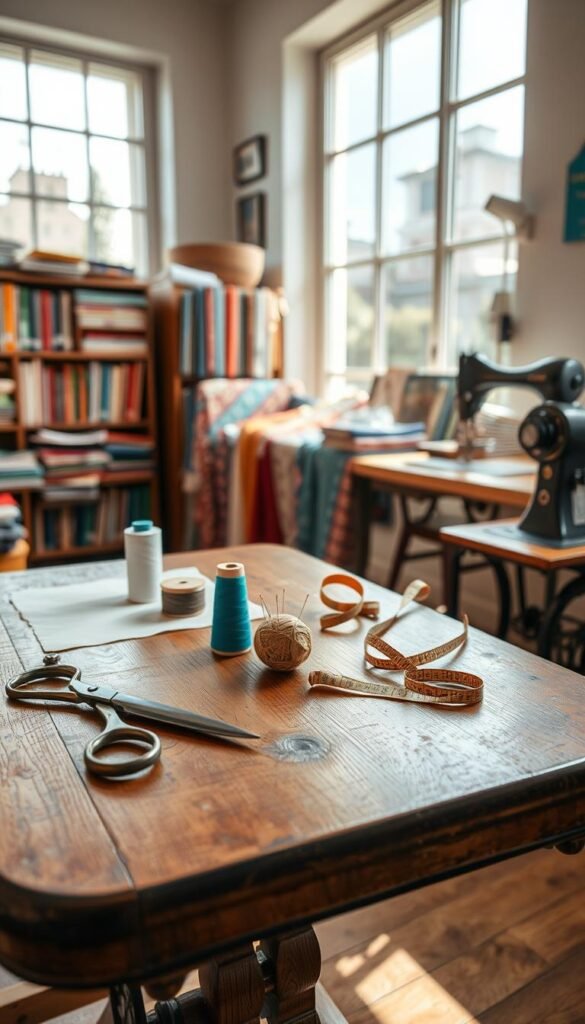
Basic Sewing Equipment for Beginners
For beginner sewing projects, you need some basic tools. This includes a good sewing machine, fabric scissors, pins, a seam ripper, and a measuring tape. Quality equipment makes sewing better and your projects look great.
Recommended Fabrics and Notions
Choosing the right fabrics and notions is important. Cotton fabrics are best for beginners because they’re easy to work with. You’ll also need threads, zippers, and buttons for your projects. Free sewing patterns can help you pick the right materials for easy sewing crafts or DIY sewing crafts.
By focusing on these basics, you’ll have a strong start in sewing. This lets you try many beginner sewing projects and more.
Popular Small Sewing Projects To Sell Online
To make it big in the online handmade market, pick small sewing projects that lots of people want. These projects not only draw in buyers but also let you show off your sewing talents.
Fabric Face Masks
Fabric face masks are now a must-have for many. They’re not just useful but also a blank canvas for creativity. You can use different fabrics, patterns, and designs to make them appealing to many.
Design Variations
Try out various patterns, colors, and embellishments to make unique face masks. Go for seasonal themes or the latest designs to stay on trend.
Material Recommendations
Opt for breathable, comfy fabrics like cotton or linen. Make sure they’re easy to clean and last long for repeated use.
Scrunchies and Hair Accessories
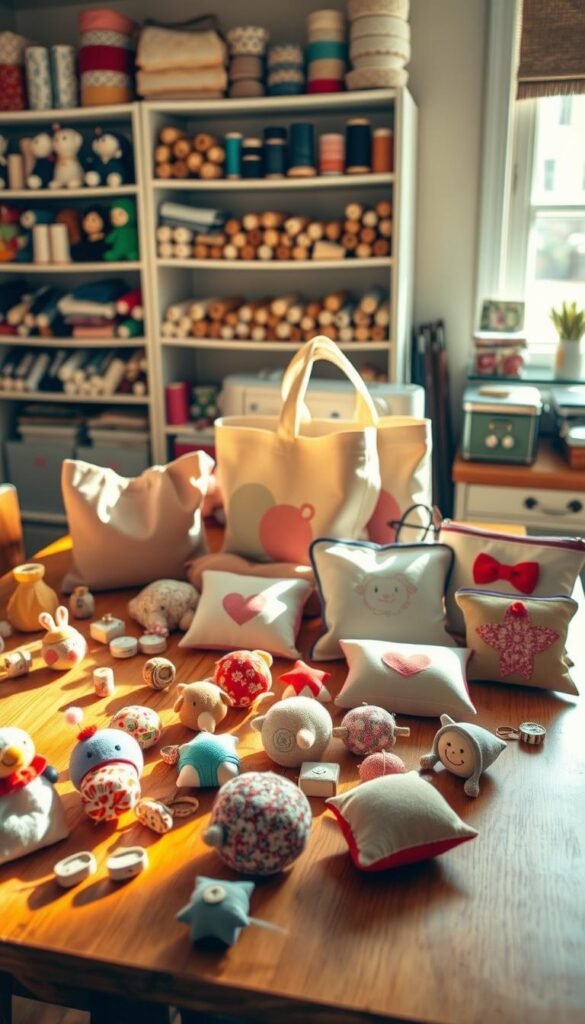
Scrunchies and other hair accessories are trendy and comfy. They’re quick to make and can be personalized with different fabrics and embellishments.
Phone and Tablet Sleeves
Phone and tablet sleeves are always wanted. You can make them from various materials like fabric, felt, or quilted cotton. They offer both protection and style.
Cord Organizers
Cord organizers are handy for anyone with lots of gadgets. They keep cords organized and are simple to sew.
| Project | Skill Level | Time to Complete |
|---|---|---|
| Fabric Face Masks | Beginner | 1-2 hours |
| Scrunchies | Beginner | 30 minutes |
| Phone Sleeves | Intermediate | 2-3 hours |
| Cord Organizers | Beginner | 1 hour |
These small sewing projects are not only fun to create but also a chance to make money online. By focusing on popular and useful items, you can attract many customers and grow a successful sewing business.
Kitchen and Home Decor Projects
Make your living space better with handmade items that are both useful and stylish. Sewing projects for the home are rewarding and make great gifts or items to sell. Here, we’ll look at some easy and creative ideas to get you started.
Pot Holders and Oven Mitts
Keep your kitchen safe from hot dishes with handmade pot holders and oven mitts. These projects need just a few pieces of fabric and basic sewing skills. You can pick colors and patterns to fit your kitchen.
Use cotton fabric for its durability and heat resistance.
Table Runners and Placemats
Make your dining table look elegant with handmade table runners and placemats. These projects let you try different fabrics and patterns. This way, you can show off your personal style.
Decorative Pillow Covers
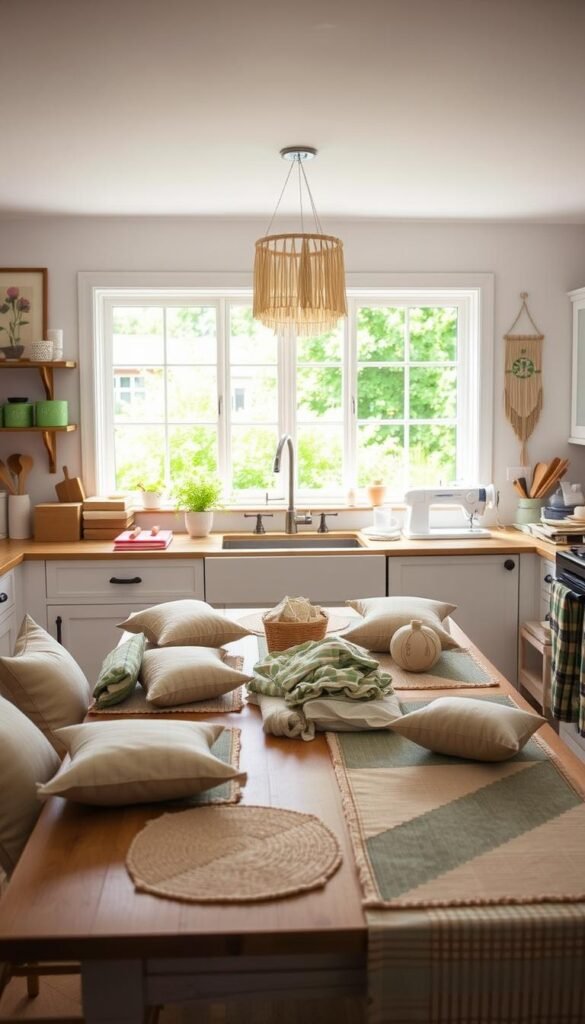
Update your living room or bedroom with decorative pillow covers. They’re easy to make, needing just fabric and a zipper or velcro. Choose fabrics that match your decor or go bold.
Making pillow covers is a great way to use leftover fabric.
Fabric Coasters
Fabric coasters are an easy and practical sewing project. They use small fabric pieces, batting, and a few stitches. These coasters are useful and make great gifts or items to sell.
You can customize them with different fabrics and embellishments.
| Project | Skill Level | Time Required |
|---|---|---|
| Pot Holders | Beginner | 1-2 hours |
| Table Runners | Intermediate | 2-3 hours |
| Pillow Covers | Beginner | 1-2 hours |
| Fabric Coasters | Beginner | 30 minutes |
These projects are perfect for making something useful and beautiful. With creativity and basic sewing skills, you can create items that enhance your home and make great gifts or selling items.
Eco-Friendly Sewing Projects with High Demand
More people are thinking about the planet, leading to a big demand for green products. Sewing items like reusable bags and kitchen essentials can be both fun and profitable. It’s a great way to make a difference and earn money.
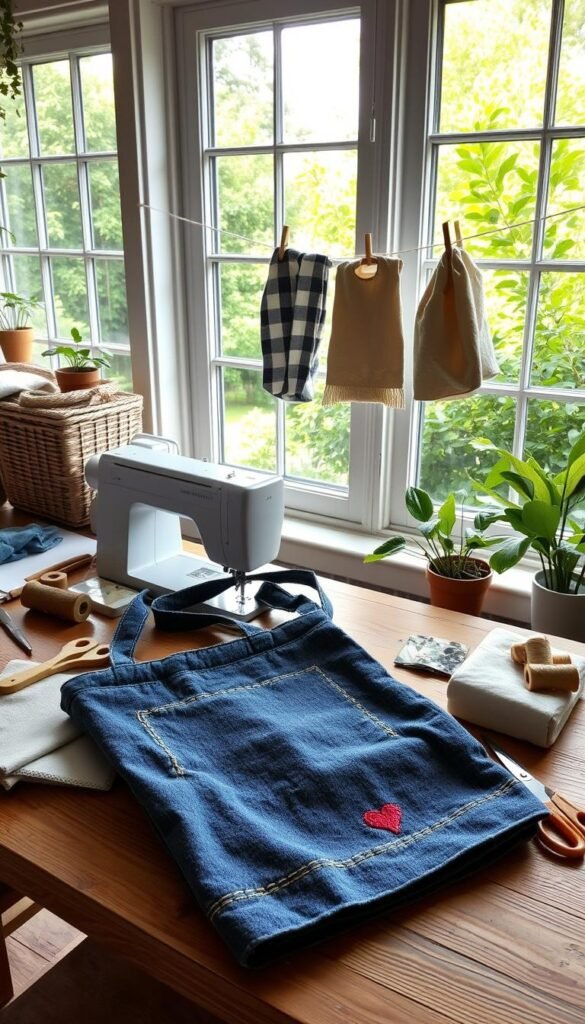
Reusable Produce Bags
Reusable produce bags are a simple yet popular choice. They help cut down on plastic bag use. You can use cotton, mesh, or recycled fabrics to make them.
To make these bags, you need fabric, ribbon or elastic, and a sewing machine. You can adjust the size and style to your liking. A survey shows 75% of people prefer eco-friendly packaging, making these bags a smart sell.
Beeswax Wrap Alternatives
Beeswax wrap alternatives are also getting more attention. They replace plastic wrap for food storage. You can make them with cotton, beeswax, and jojoba oil.
Studies show beeswax wraps can cut plastic use by up to 50%. By selling these, you cater to those seeking green kitchen solutions.
| Project | Materials Needed | Potential Market |
|---|---|---|
| Reusable Produce Bags | Cotton, mesh, recycled fabrics, ribbon or elastic | Online marketplaces, local farmers markets |
| Beeswax Wrap Alternatives | Cotton fabric, beeswax, jojoba oil | Eco-friendly stores, online platforms |
| Cloth Napkins and Kitchen Towels | Cotton, linen, terrycloth | Home decor stores, online marketplaces |
Cloth Napkins and Kitchen Towels
Cloth napkins and towels are eco-friendly and always needed. You can use cotton, linen, or terrycloth. They can be personalized with various designs.
“Reducing our reliance on paper products is a simple way to make a positive impact on the environment. Cloth napkins and kitchen towels are a great place to start.”
Reusable Sandwich Bags
Reusable sandwich bags are another eco-friendly option. They’re made from cotton, mesh, or waterproof fabric. They’re perfect for packing lunches without plastic bags.
By focusing on these projects, you can meet the growing demand for sustainable items. Selling online or at local markets can be both rewarding and profitable.
Baby and Children’s Items That Sell Well
The market for handmade baby and children’s items is booming. It’s a perfect niche for new sewers. Many parents and gift-givers are eager to buy unique, high-quality, and personalized items for their little ones.
Baby sewing projects are a hit for starting a small business. Items like burp cloths, soft fabric books, simple stuffed animals, and baby headbands are both cute and practical. They’re in high demand.
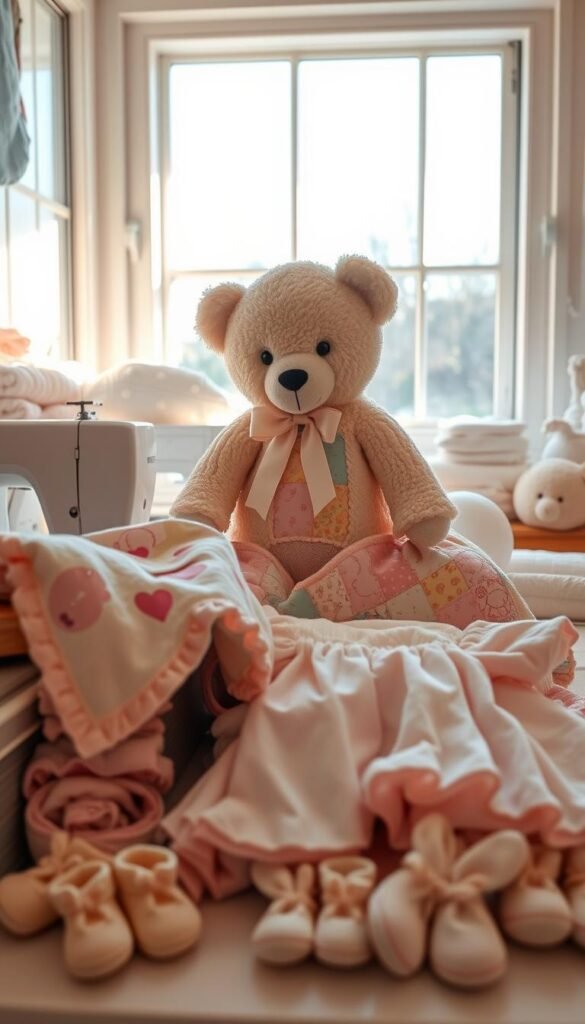
Burp Cloths and Bibs
Burp cloths and bibs are essential items for babies. Making them in various colors and patterns meets different tastes. Soft, absorbent materials like flannel or cotton are best. These projects are perfect for beginners because they need little fabric and are quick to sew.
Soft Fabric Books
Soft fabric books are engaging projects for babies. They can be made with different textures and colors, providing a stimulating experience. These books can be simple or complex, fitting various skill levels.
Simple Stuffed Animals
Simple stuffed animals are always a favorite among children. Making them by hand adds a special touch. Using various fabrics and adding details like embroidered eyes makes each toy unique.
Baby Headbands
Baby headbands are a cute accessory that can be made in various sizes. They fit different ages. Decorate them with bows, flowers, or other embellishments for a versatile project.
By focusing on these children’s sewing projects, sewers can build a diverse portfolio. These projects are both fun to make and appealing to customers. Whether for gifts or online sales, they’re a great starting point.
Seasonal and Holiday-Themed Projects
Holiday-themed sewing projects are a great way to meet seasonal demand. They help you create unique gifts or decorations. By focusing on projects for specific holidays or seasons, you can offer handmade, personalized items that people love.
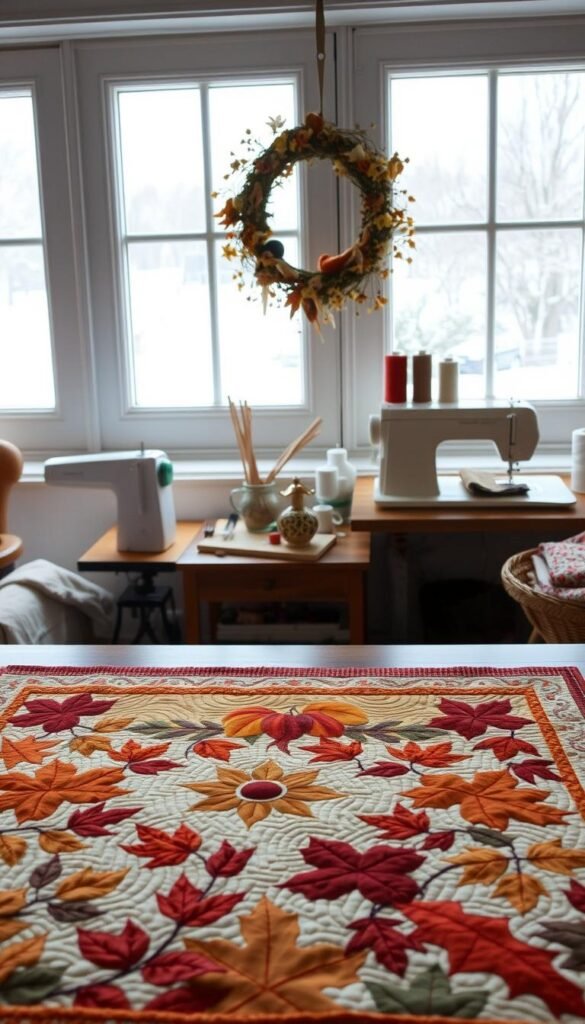
Christmas Stockings and Ornaments
Christmas is a perfect time to sell handmade sewing projects. Items like personalized Christmas stockings and detailed ornaments are very popular. You can use different fabrics and techniques to make these projects your own.
“Sewing for Christmas is a tradition that brings joy to many,” say sewing fans. You can make stockings with names or fun designs. Ornaments can be hung on the tree or used as gift toppers.
Halloween Trick-or-Treat Bags
Halloween offers many sewing opportunities, like making trick-or-treat bags. You can create bags in various shapes, sizes, and themes. From cute animals to spooky designs, the choices are endless.
Using bright fabrics and creative embellishments can make these bags stand out. They’re not just useful; they’re also a fun part of Halloween. This makes them a great project for sewers of all levels.
By working on these seasonal projects together, you can meet demand and enjoy making something special. Whether it’s Christmas stockings or Halloween bags, your handmade items will be cherished.
Quick Accessories to Sew and Sell
Sewing accessories like zippered pouches and eyeglass cases are in demand and can be made quickly. These items are perfect for beginners looking to start a small sewing business or for experienced sewers wanting to expand their product line.
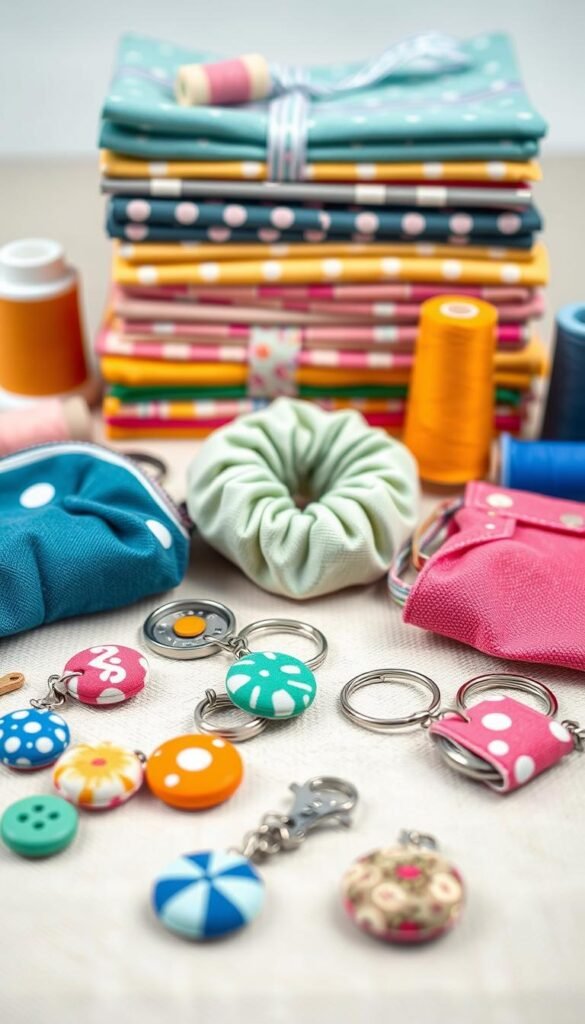
Zippered Pouches and Coin Purses
Zippered pouches and coin purses are practical and stylish accessories that can be sewn quickly. They are great for storing small items like makeup, pens, or coins.
Simple Designs for Beginners
Beginners can start with simple designs that require minimal patterns and straightforward sewing techniques. Using pre-made zipper strips can simplify the process.
Popular Fabric Choices
Cotton and canvas are popular fabric choices for zippered pouches due to their durability and versatility. Adding a decorative touch with ribbons or buttons can enhance the product’s appeal.
Eyeglass Cases
Eyeglass cases are another quick sewing project that can be completed in no time. They make great gifts or personal accessories.
Simple Tote Bags
Simple tote bags are a staple in many people’s daily lives. They are easy to sew and can be customized with various fabrics and embellishments.
Fabric Bookmarks
Fabric bookmarks are a thoughtful accessory for book lovers. They can be made with scraps of fabric and simple ribbons, making them a great way to use leftover materials.
| Project | Estimated Time | Skill Level |
|---|---|---|
| Zippered Pouch | 1-2 hours | Beginner |
| Eyeglass Case | 30 minutes | Beginner |
| Simple Tote Bag | 2-3 hours | Intermediate |
| Fabric Bookmark | 15 minutes | Beginner |
Pet-Related Sewing Projects
If you love pets and sewing, these projects are perfect for you. They combine your passions in a fun way. Plus, they can be a great way to make money.
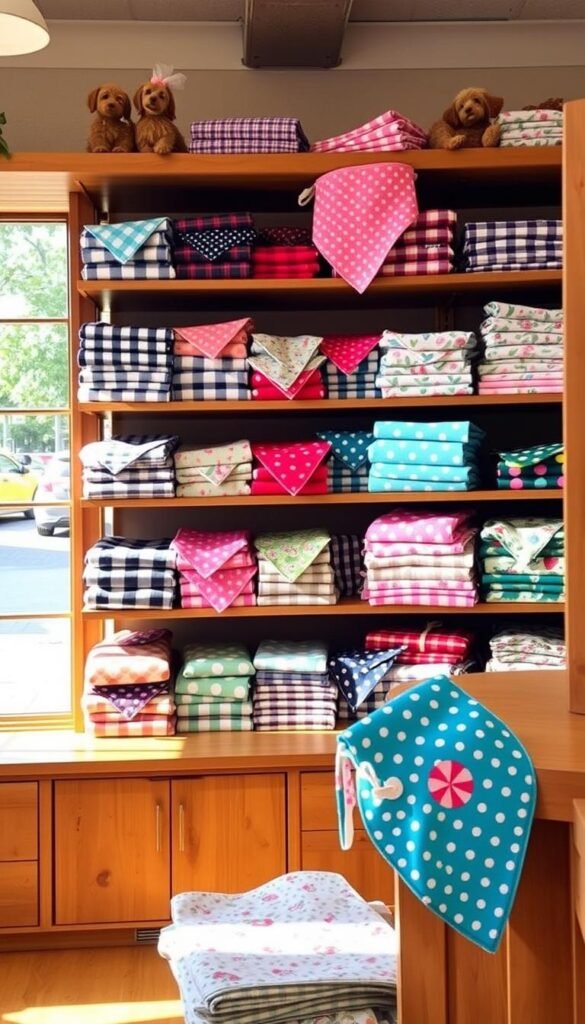
Pet bandanas and bow ties are a great starting point. They’re stylish and easy to make. You can use different fabrics like cotton or silk to create various looks.
Pet Bandanas and Bow Ties
To make these, you’ll need basic sewing tools like fabric, thread, and a machine. You can find free patterns online or buy a pet accessory pattern. Popular fabrics for bandanas include:
- Cotton: Durable and easy to clean, great for daily wear.
- Polycotton blends: Soft and comfy, often cheaper than cotton.
- Silk or satin: For a fancy look, silk or satin is perfect.
Pet Bed Covers
Pet bed covers are another great project. They fit different bed sizes and can match your pet’s style or your home. For example, a bright cover can brighten a room, while a simple design can blend in.
To make a bed cover, measure your pet’s bed and pick a durable, comfy fabric. Think about using a waterproof backing for easy cleaning. Ideas for bed covers include:
- Fun, bold prints to make a statement.
- Matching sets with bandanas or bow ties.
- Personal touches like your pet’s name or initials.
Scrap Fabric Projects for Maximum Profit
Turning scrap fabric into something new is good for the planet and your wallet. With a bit of creativity, you can make valuable items from leftover materials. These items are often in high demand.
Creating items that are both useful and pretty is a smart way to make money. Here are some ideas to get you started:
Patchwork Coasters
Patchwork coasters are a simple way to use up small fabric pieces. They’re easy to make and can be made in many colors and patterns. To make them, you’ll need:
- Scrap fabric pieces
- Interfacing material
- Batting
- Thread
These coasters are great as gifts or can be sold online or at local craft fairs.
Scrap Fabric Keychains
Scrap fabric keychains are another profitable project. They’re quick to sew and need just a few materials. You can add buttons or charms to make them more interesting.
Fabric Bookmarks with Tassels
Fabric bookmarks with tassels are a fun way to use up fabric scraps. The tassel adds a professional touch and makes them more appealing to buyers.
Here’s a simple comparison to show the profit you can make:
| Project | Material Cost | Potential Selling Price | Profit |
|---|---|---|---|
| Patchwork Coasters (Set of 4) | $2 | $10 | $8 |
| Scrap Fabric Keychain | $0.50 | $5 | $4.50 |
| Fabric Bookmark with Tassel | $1 | $7 | $6 |
By focusing on projects with scrap fabric, you can make money while reducing waste. These ideas help you start earning from materials that would be thrown away.
Where to Sell Your Handmade Sewing Projects
Now that your handmade sewing projects are ready, it’s time to find places to sell them. The key to success is to pick the right places that match your products and audience.
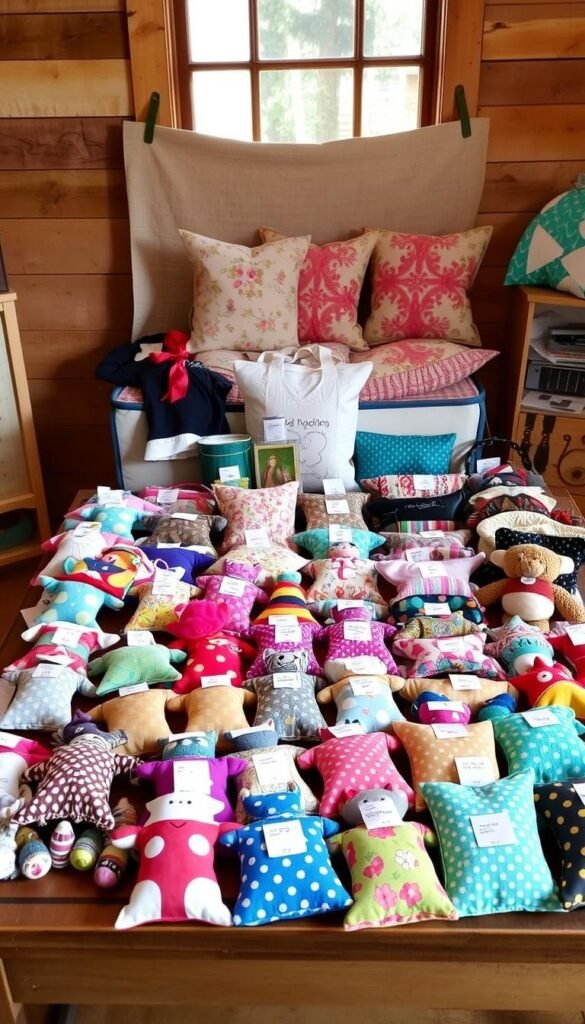
There are many options, from online shops to local fairs. Let’s look at each option to help you decide.
Online Marketplaces (Etsy, eBay, Amazon Handmade)
Online shops are great for reaching lots of people. Sites like Etsy, eBay, and Amazon Handmade are perfect for sewing projects.
- Etsy: Focuses on handmade, vintage, and unique items. It’s perfect for sellers with special or customized sewing projects.
- eBay: Offers a wide range of products. You can auction or sell at a fixed price. It’s good for many sewing projects, from useful items to collectibles.
- Amazon Handmade: Uses Amazon’s huge customer base for artisans. It’s ideal for those who make high-quality, scalable products.
Each site has its own fees, rules, and audience. It’s important to pick the ones that fit your business best.
Local Craft Fairs and Farmers Markets
If you like selling in person or want to add to your online sales, local fairs and markets are great.
- Craft Fairs: Let you show your sewing projects to people. They’re good for building your brand and getting feedback.
- Farmers Markets: While mostly for food, they also have artisans. It’s a good place for everyday sewing projects.
Local events can help you connect with your community, get noticed, and sell more. Make sure your display looks good and you can tell the story of your products.
By selling in both online shops and local events, you can reach more people and sell more. Think about what makes your products special and who you want to sell to when choosing where to sell.
Pricing Strategies for Your Sewing Projects
Creating a pricing strategy is key for sewing entrepreneurs. It must balance making a profit with keeping prices low for customers. Understanding what affects pricing is essential.
Calculating Material and Time Costs
To set the right price for your sewing projects, start by figuring out material and time costs. This includes:
- The cost of fabrics, threads, and other materials used.
- The time spent on designing, cutting, sewing, and finishing the product.
- Any extra costs like packaging and shipping.
For example, if you spend $10 on materials and 2 hours of labor at $15 per hour, your total cost is $40. Accurate costing helps you avoid underpricing your items.
Competitive Pricing Research
Knowing what your competitors charge is vital. To do this, you need to:
- Find similar products sold by others.
- Look at their pricing strategies.
- Adjust your prices to be competitive but also cover your costs and profit margin.
If similar handmade bags are selling for $25-$35, you can price yours in this range. Remember, your unique selling proposition (USP) can justify higher prices.
Effective pricing for sewing projects comes from knowing your costs, understanding the market, and valuing your work. By using these strategies, you can set prices that are both competitive and profitable.
Marketing Tips for Your Sewing Business
Marketing your sewing business well needs creativity and planning. To be noticed, create a strong brand and use social media to show off your work.
Building a Brand Identity
Creating a brand identity is key to making a lasting impression. It means having a unique voice, look, and message that speaks to your audience. First, figure out your brand’s mission and values. Make sure they show in everything you do.
Key Elements of Brand Identity:
- Logo: Make a logo that people remember.
- Color Scheme: Pick colors that match your brand’s vibe.
- Typography: Use the same fonts everywhere.
| Brand Element | Description | Example |
|---|---|---|
| Logo | A symbol or graphic that stands for your brand. | Nike Swoosh |
| Color Scheme | A set of colors used in your branding. | Coca-Cola Red |
| Typography | Fonts used in your branding materials. | Apple Garamond |
Using Social Media to Showcase Your Work
Social media is great for showing off your sewing and reaching new customers. Focus on Instagram and Pinterest, as they love visuals and are popular with crafty people.
Tips for Effective Social Media Marketing:
- Share high-quality photos of your sewing projects.
- Use hashtags to get more views.
- Talk to your followers by answering comments and messages.

By building a strong brand and using social media well, you can market your sewing business effectively. This will help you attract a loyal customer base.
Conclusion: Starting Your Small Sewing Business Journey
Starting a small sewing business can be both rewarding and profitable. This article has shown you many small sewing projects. You can use these to turn your passion into a successful business.
Begin by focusing on beginner-friendly projects. This way, you can quickly make products to sell online or at local markets.
When starting your sewing business, think about what you want to specialize in. You might focus on kitchen and home decor or baby and children’s items. Knowing your target market helps you make products and marketing plans that meet their needs.
Use online marketplaces like Etsy or eBay to reach more customers. This can help you sell more and grow your business.
To succeed, create a pricing strategy that considers material costs, time, and what others charge. Building a strong brand and using social media can also help. These steps will help you make your small sewing business thrive.