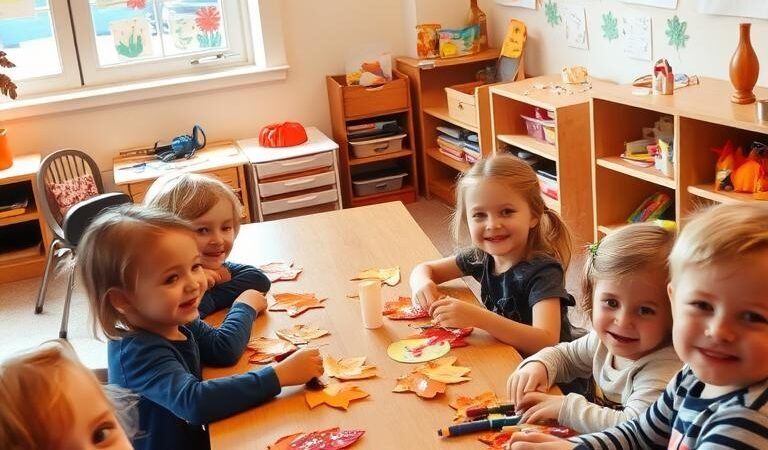
As the leaves change colors and the air fills with the scent of autumn, engaging in fall crafts with your kids can be a wonderful way to enjoy quality time together.
We’re excited to share two fun and creative craft ideas perfect for preschool-aged children: the Sensory Sunflower Masterpiece and the Paper Plate Scarecrow Friend. These activities are designed to be enjoyable and educational, helping kids connect with the changes in nature during fall.
Using simple materials you likely have at home, these crafts are not only easy to set up but also provide a great way to encourage creativity and learning. The best part? They can become cherished keepsakes, making them a meaningful way to capture the spirit of the season with your little ones.
Key Takeaways
- Engage in fun and educational fall activities with your kids.
- Explore two creative craft ideas suitable for preschoolers.
- Use simple, accessible materials for crafting.
- Encourage creativity and learning through seasonal crafts.
- Create cherished keepsakes with your children.
Why Fall Crafts Are Perfect for Preschoolers
The fall season brings a plethora of crafting opportunities that are perfectly suited for preschoolers’ developmental needs. Engaging in fall crafts allows young children to explore their creativity while developing essential skills.
Fall crafts are particularly beneficial for preschoolers as they help improve fine motor skills through activities like cutting, gluing, and painting. These crafts also foster creativity and imagination, crucial at this developmental stage. Moreover, seasonal crafts connect children to the changing world around them, teaching concepts of time and natural cycles.
These crafting activities can be adapted for different ages within the preschool range (2-5 years), making them versatile for mixed-age groups. They provide quality bonding time between adults and children, creating memories along with masterpieces. Fall crafts can be done indoors during inclement weather, making them perfect for the fall season when outdoor time might be limited.
By incorporating fall crafts into their routine, parents and educators can provide preschoolers with engaging, hands-on learning experiences that cover colors, shapes, counting, and nature. This approach to learning is both fun and educational, making it an ideal way to spend quality time with children.
Materials You’ll Need for These Preschool Fall Crafts
To ensure a smooth and enjoyable crafting process, it’s crucial to have all the necessary materials at hand. For the fall crafts we’re featuring, you’ll need a mix of basic supplies and some craft-specific items.
Basic supplies include paper, glue, and scissors. You’ll also need tissue paper for adding color and texture to your crafts. For the paper pumpkin craft, you’ll need orange and green paper, while the scarecrow craft requires paper plates, googly eyes, and other embellishments.
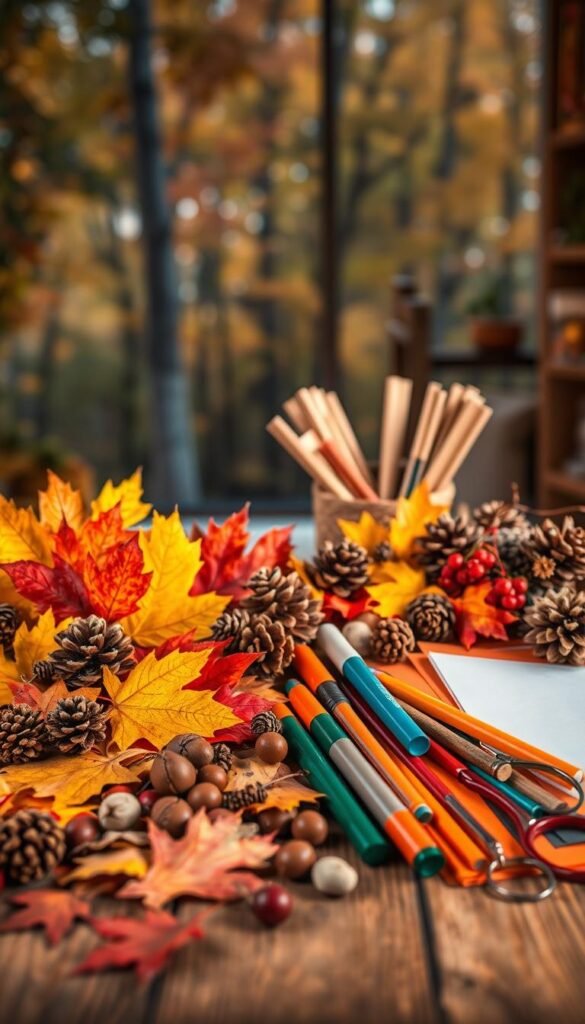
Many of the specialty items can be substituted with household alternatives. For example, you can use old magazines or newspaper instead of tissue paper. Organizing your materials in advance will make the crafting process smoother, especially with preschoolers who may have limited patience.
Involving kids in gathering and organizing materials can be a valuable learning experience. It teaches them about preparation and responsibility. Additionally, many of these materials can be reused for future craft projects, making them economical choices.
After the crafting session, be sure to store any leftover materials properly for future use. This not only reduces waste but also makes future crafting sessions more efficient.
Craft #1: Sensory Sunflower Masterpiece
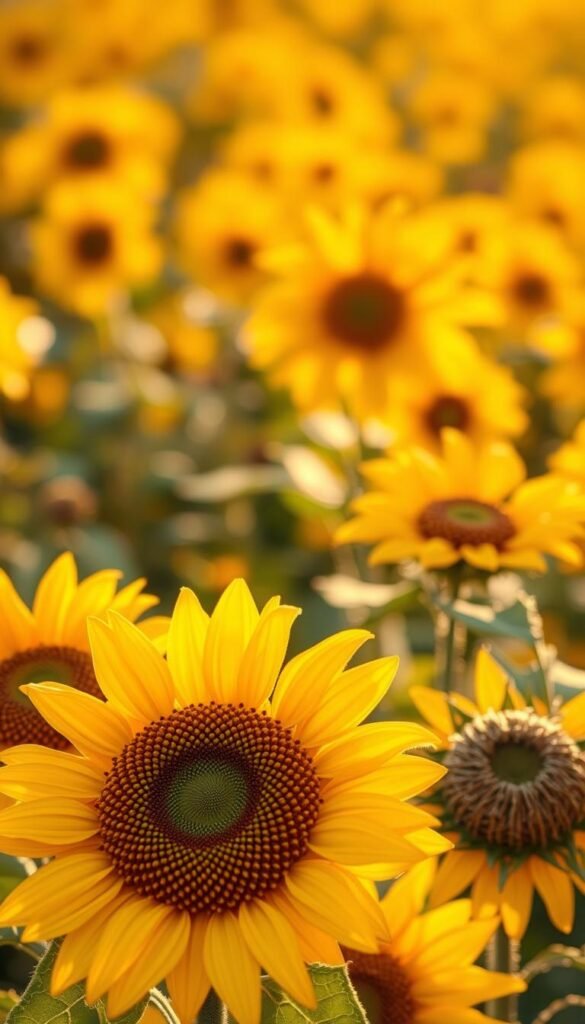
The Sensory Sunflower Masterpiece is a fantastic fall craft that brings together creativity and sensory exploration for kids. Sunflowers are a perfect subject for fall crafts as they are easily recognizable and associated with the season. This craft is designed to be engaging and educational, making it ideal for preschoolers.
Materials for Sensory Sunflower Craft
To create this delightful craft, you’ll need the following materials:
- Cardstock paper in yellow and brown
- Paint (various colors)
- Pasta or beans for texture
- Googly eyes
- Glue
- Leaves or other fall-themed materials for decoration
Step-by-Step Instructions
Here’s how to guide your preschoolers in creating their Sensory Sunflower Masterpiece:
- Start by painting the cardstock paper yellow to create the sunflower’s petals.
- Cut out the petals and help the children glue them around a brown center.
- Add texture by gluing pasta or beans to the center of the sunflower.
- Use googly eyes to create a fun face on the sunflower.
- Decorate the craft with leaves or other fall-themed materials.
Educational Benefits
This craft offers several educational benefits, including:
- Color recognition through the use of different colored paints and materials.
- Understanding of plant parts, such as petals and centers.
- Development of fine motor skills through painting, cutting, and gluing.
Variations and Adaptations
To make this craft accessible to different age groups within the preschool range, consider the following variations:
- For younger children, simplify the steps and use larger materials.
- For older preschoolers, add more complexity by incorporating real sunflower seeds or detailed painting techniques.
- Use fall-colored materials to make the craft more seasonal.
Tips for Creating the Perfect Sunflower Craft
To make a sunflower craft that’s both fun and educational, consider these expert tips. When working with preschoolers, it’s essential to set up a crafting space that minimizes mess while maximizing creativity.
Preparation is key. Use paper and other materials that are easy to work with, and have paint and glue ready. Consider using a tablecloth or old sheets to cover the work surface, making cleanup easier.
- Help children without taking over their creative process by asking open-ended questions and offering guidance when needed.
- Troubleshoot common challenges, such as unintentional paint mixing or glue application difficulties, by having wipes and damp cloths on hand.
- Adapt the craft for different attention spans by offering quick options for younger toddlers and more detailed approaches for older preschoolers.
To extend the activity, create patterns or shapes with the sunflower elements, enhancing their fine motor skills and encouraging creativity. Finally, display the finished crafts proudly, perhaps on a garden-themed bulletin board or in a window display, celebrating their hard work and artistic achievements.
Extending the Learning with Sunflower Activities
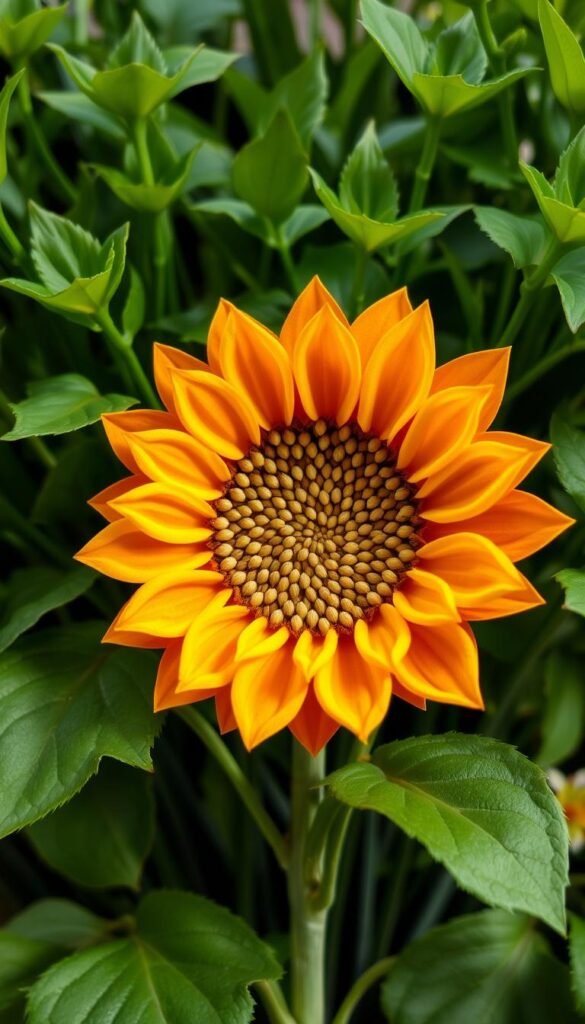
The sunflower craft serves as a springboard for a variety of educational experiences that can captivate preschoolers. By engaging in sunflower-themed activities, children can develop a deeper understanding of nature and the changing seasons.
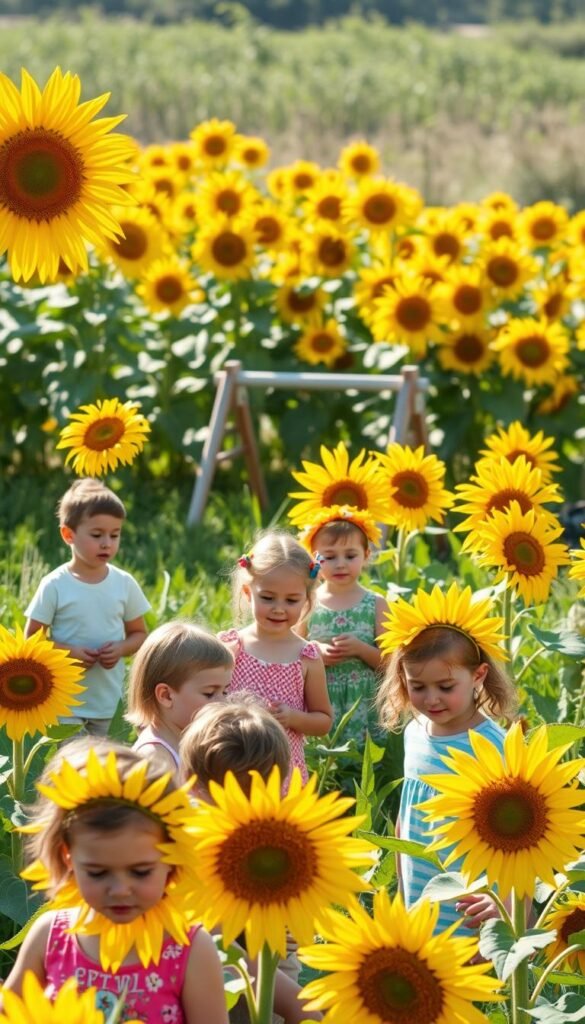
- Reading books about sunflowers and fall can introduce new vocabulary and concepts.
- Simple science experiments, such as sprouting sunflower seeds in paper towels, can teach children about growth and development.
- Sunflower-themed songs and fingerplays can reinforce concepts about plants and seasons.
Outdoor activities like visiting a sunflower field or observing sunflowers in the neighborhood can connect the craft to real-world experiences. Additionally, using sunflower seeds for math activities such as counting, sorting, or creating patterns can enhance numeracy skills.
Other ideas include engaging in dramatic play related to sunflowers, such as pretending to be gardeners, or creating a flower shop. Incorporating sunflower-themed snacks, like sunflower seed butter, can also be a fun way to extend the learning experience. Finally, creating a sunflower garden display using tissue paper and other materials can be a collaborative project for the kids.
Craft #2: Paper Plate Scarecrow Friend
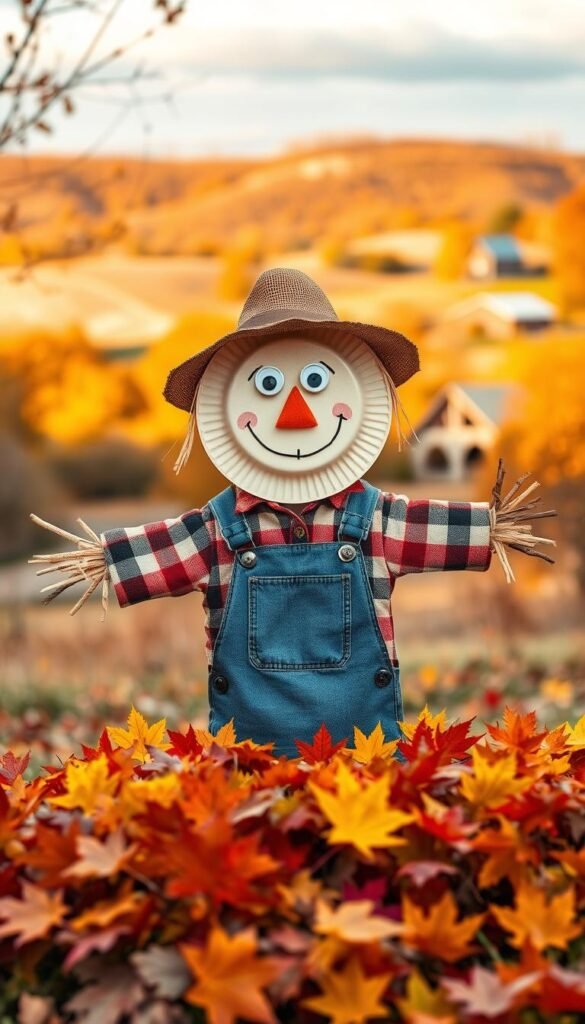
Scarecrows have been a part of harvest traditions for centuries, and now you can bring this cultural icon to life with your kids using our Paper Plate Scarecrow Friend craft. This fun and educational project is perfect for preschoolers, teaching them about farm life and the significance of scarecrows during the fall season.
Materials for Scarecrow Craft
To create your Paper Plate Scarecrow Friend, you’ll need the following materials:
- Paper plates (1 per child)
- Construction paper (various colors)
- Yarn or string
- Googly eyes
- Glue
- Scissors (child-safe)
- Paint (optional)
Step-by-Step Instructions
Follow these steps to create your scarecrow:
- Cut out a hat and clothes from construction paper.
- Glue the hat onto the paper plate.
- Use yarn or string to create hair and glue it onto the plate.
- Attach googly eyes to bring your scarecrow to life.
- Paint or draw on a mouth and nose if desired.
For younger preschoolers, consider pre-cutting the construction paper shapes to make it easier for them to assemble their scarecrow.
Educational Benefits
This craft offers several educational benefits, including:
- Learning about farm life and harvest seasons
- Understanding the purpose of scarecrows
- Developing fine motor skills through cutting, gluing, and assembling
Variations and Adaptations
To make this craft more engaging for different age groups, consider the following variations:
- For younger preschoolers, simplify the craft by pre-cutting shapes and using larger materials.
- For older children, add more details like painted-on boots or a broom made from construction paper.
- Create a Halloween-themed scarecrow by using orange and black construction paper.
By adapting this craft to different ages and abilities, you can ensure that every child has a fun and successful experience creating their Paper Plate Scarecrow Friend.
Tips for Creating the Perfect Scarecrow Craft
Creating a scarecrow craft with preschoolers can be a delightful experience with the right tips and techniques. To make this activity successful, it’s essential to prepare in advance, especially when working with younger children.
One helpful tip is to pre-cut the paper plate base into the desired shape, making it easier for little hands to handle. When it comes to adding facial features, using larger googly eyes or pre-cut shapes can make the process more manageable and fun for kids.
- Prepare the paper plate base in advance for younger children.
- Use larger googly eyes or pre-cut shapes for facial features.
- Troubleshoot common challenges, such as attaching yarn hair or securing the hat.
- Incorporate learning about farms and harvest into the craft experience.
By following these tips, you can help preschoolers create their own charming scarecrow crafts while developing their fine motor skills through activities like painting and shaping paper. Displaying the finished crafts in a classroom “pumpkin patch” or fall festival display can add to the excitement.
Extending the Learning with Scarecrow Activities
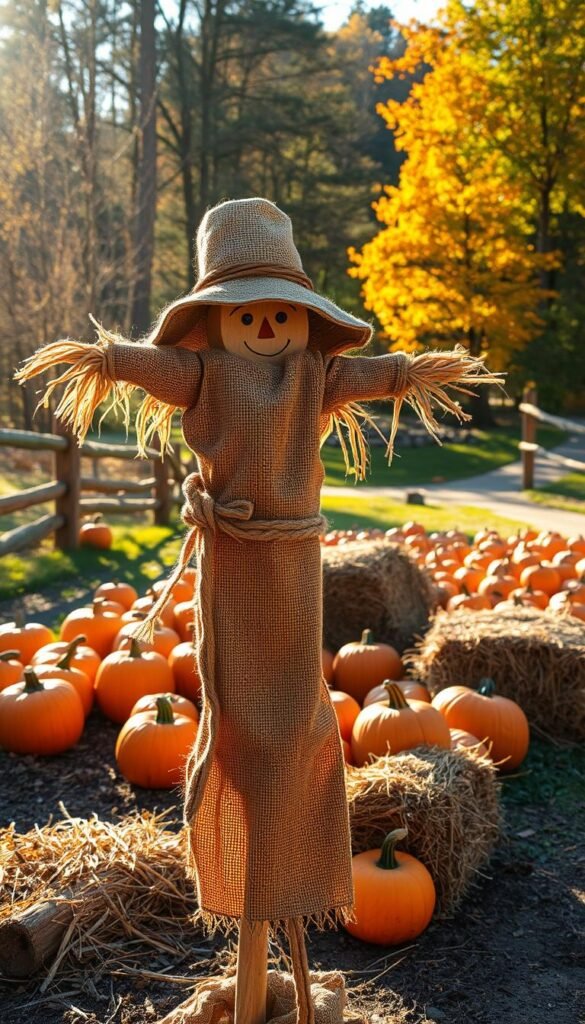
To further enhance the learning experience, we can incorporate various scarecrow-themed activities into our preschool curriculum. For instance, reading books about scarecrows and farms can foster a deeper understanding of agricultural concepts. Some recommended titles include stories about farm life and the role of scarecrows in protecting crops like corn.
Engaging kids in scarecrow-themed songs, fingerplays, or movement activities can reinforce their knowledge of the fall season. Dramatic play ideas, such as creating a pretend cornfield or farm stand, can also be very effective. Outdoor activities like visiting a local farm or creating a simple scarecrow for the garden or yard can provide hands-on learning experiences.
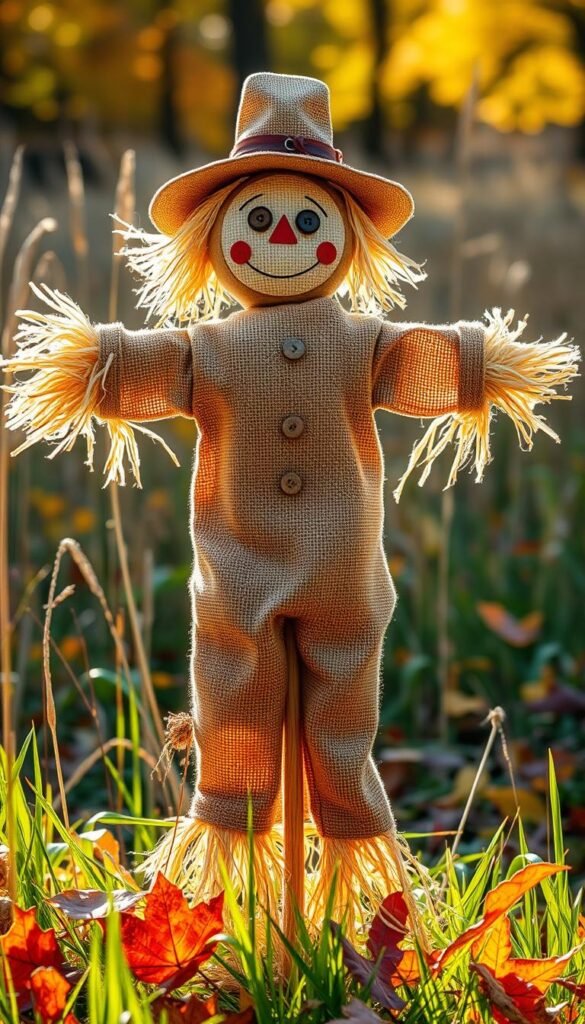
Additionally, games like a modified version of “Red Light, Green Light” where children pretend to be scarecrows can be a fun way to encourage physical activity. Incorporating real straw or hay into sensory play experiences can further connect to the scarecrow theme. A scarecrow dress-up day where kids wear plaid shirts and straw hats can also be a delightful extension of the craft project.
Using the paper plate scarecrows as puppets for storytelling activities can help develop language and communication skills. By incorporating these activities, we can create a comprehensive and engaging learning experience that complements the craft project.
How These Preschool Fall Crafts Support Development
Engaging in preschool fall crafts is a multifaceted experience that supports various aspects of a child’s development. These activities are designed to be fun and educational, promoting growth in multiple areas.
One of the primary benefits of fall crafts is the development of fine motor skills. Children improve their hand-eye coordination and dexterity through activities like cutting, gluing, painting, and manipulating small objects. For instance, creating a sensory sunflower masterpiece involves gluing paper petals onto a stem, which enhances their fine motor skills.
Following step-by-step instructions for these crafts helps build cognitive skills, attention span, and sequential thinking. As children work on their projects, they learn to follow directions and complete multi-step tasks, preparing them for school readiness.
These crafts also support language development as children discuss their process, describe their creations, and learn new vocabulary related to fall. For example, talking about the colors of fall or the process of making a scarecrow can introduce new words and concepts.
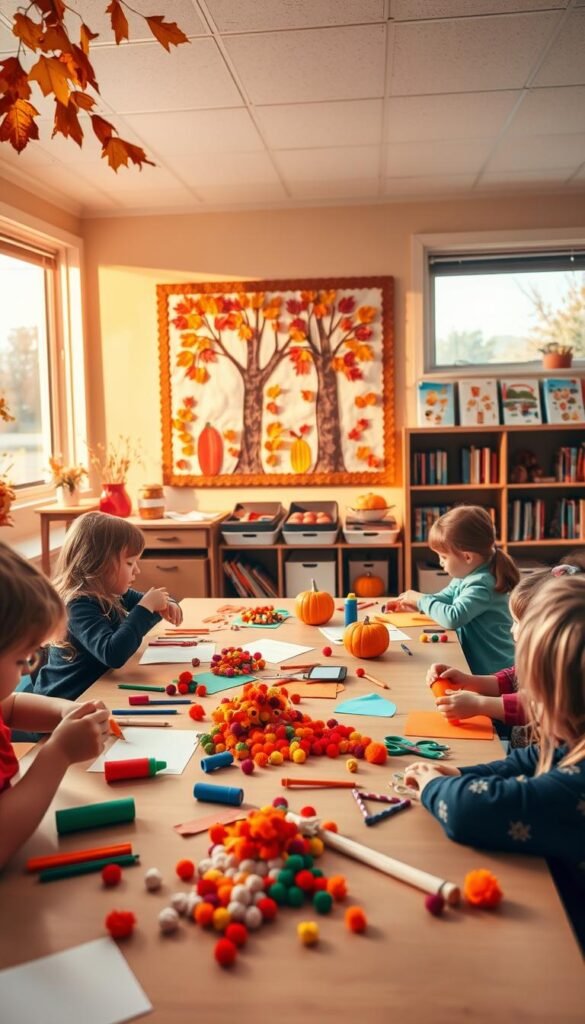
The social-emotional benefits of crafting are significant. Children experience pride in their accomplishments, learn perseverance through challenges, and develop sharing skills when working with peers. These activities help build confidence as they create something tangible and beautiful.
Seasonal crafts like these help children understand concepts of time, weather changes, and natural cycles. They support brain development through sensory exploration and problem-solving opportunities.
| Developmental Area | Skills Developed | Examples from Fall Crafts |
|---|---|---|
| Fine Motor Skills | Cutting, gluing, painting | Creating a sensory sunflower, making a paper plate scarecrow |
| Cognitive Skills | Following instructions, sequential thinking | Completing step-by-step craft instructions |
| Language Development | Vocabulary, describing processes | Discussing fall themes, describing craft projects |
| Social-Emotional | Pride, perseverance, sharing | Working on individual and group craft projects |
In conclusion, preschool fall crafts are a valuable tool in supporting various aspects of child development. They offer a fun and engaging way to enhance fine motor skills, cognitive abilities, language development, and social-emotional growth.
Setting Up Your Crafting Space for Success
A well-prepared crafting space can make all the difference in engaging preschoolers and fostering their creativity. To create an optimal environment, consider the physical space, materials, and overall atmosphere.
Start by preparing your table and seating. Ensure the table is at a comfortable height for your kids, and consider using child-sized chairs or stools. Good lighting is also essential for crafting. Position your crafting area near a window for natural light, or use bright lamps to illuminate the space.
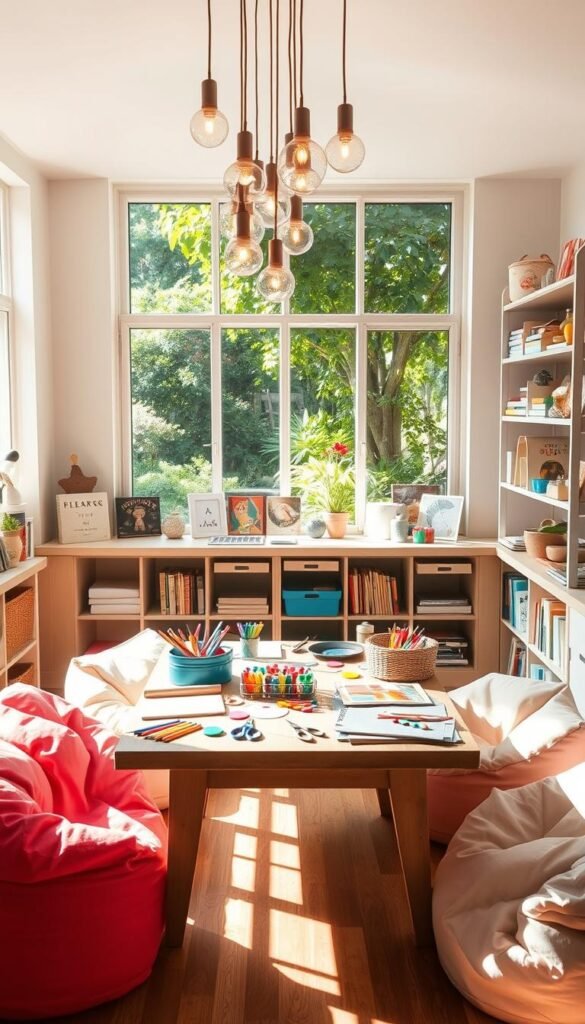
Protect your surfaces with coverings like plastic tablecloths, newspaper, or dedicated craft mats. This will make cleanup easier and reduce stress. Organize your materials in accessible containers, such as muffin tins or small bins, to keep supplies within reach but not overwhelming.
| Material | Container | Benefits |
|---|---|---|
| Crayons, markers | Muffin tin | Keeps colors organized and easy to access |
| Paper, glue | Small bin | Stores supplies in one place, reducing clutter |
| Scissors | Specialized container | Safety first: keeps sharp objects out of the way |
Dress your kids in smocks or old t-shirts to protect their clothes from stains. Time your craft sessions to coincide with when they’re most alert and focused. Set clear expectations about the crafting process and cleanup responsibilities in a way that’s suitable for their age.
Create a calm atmosphere with soft background music or a special crafting ritual. Display works in progress and designate a drying area for completed fall crafts, such as paper plate scarecrows or pumpkin decorations.
Making Crafts Accessible for Different Ages and Abilities
Making fall crafts accessible to preschoolers with different developmental stages and abilities requires some thoughtful adjustments. To create an inclusive crafting environment, it’s essential to consider the diverse needs of children within the preschool age range.
For younger preschoolers (2-3 years), pre-cutting materials and using chunkier tools can simplify the crafting process. Older preschoolers (4-5 years) may be ready for more complex techniques and greater independence, allowing them to explore their creativity further.
| Age Group | Adaptations | Benefits |
|---|---|---|
| 2-3 years | Pre-cut materials, chunkier tools | Easier handling, reduced frustration |
| 4-5 years | Complex techniques, independence | Develops fine motor skills, encourages creativity |
For children with different abilities, using high-contrast materials or incorporating tactile elements can be beneficial. Collaborative crafting projects can also allow children to contribute in ways that match their skills, promoting a sense of inclusion and teamwork.
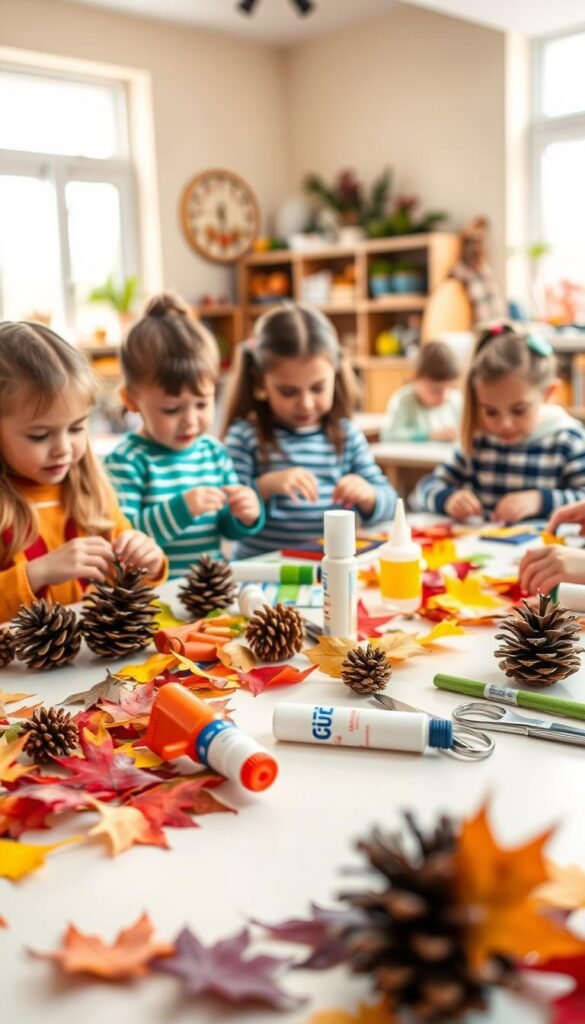
By focusing on the process rather than the product, especially for younger children or those new to crafting, we can create a supportive and enjoyable crafting experience for all preschoolers.
Incorporating Nature into Your Preschool Fall Crafts
Using natural elements in fall crafts can help preschoolers develop a deeper appreciation for the changing seasons. One of the best ways to start is by taking the kids on a nature walk to collect various natural materials like leaves, acorns, pinecones, and small sticks.
Once you’ve collected these materials, you can prepare them for craft use. For instance, you can press leaves between sheets of paper to flatten them or clean pinecones by gently brushing off dirt. These natural items can then be used in various creative ways, such as making leaf rubbings or using apples cut in half as stamping tools for apple printing.
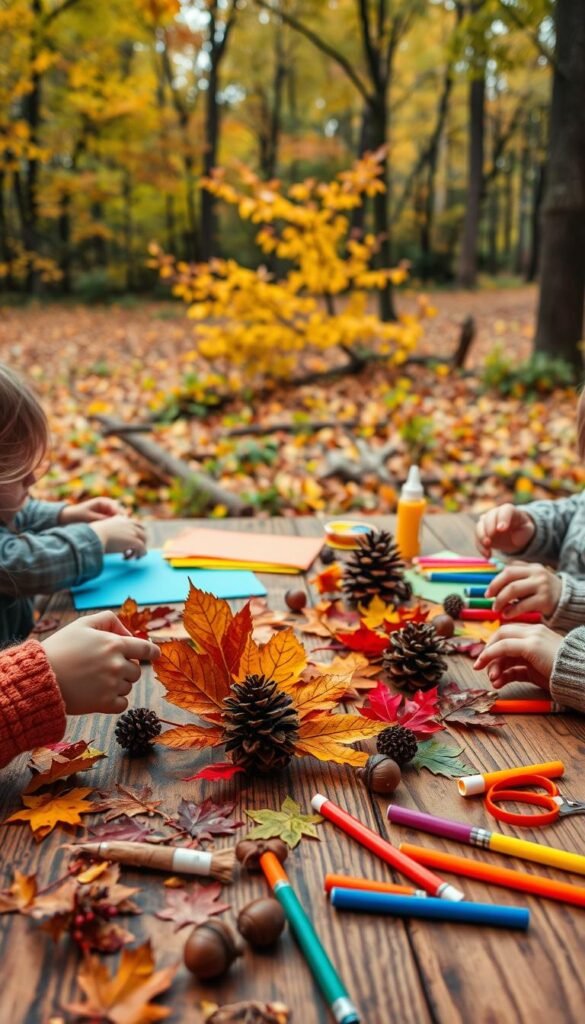
- Use nature as inspiration for color choices, shapes, and patterns in your crafts.
- Incorporate natural materials into your crafts to create unique textures and designs.
- Document the natural elements used in crafts through photographs or a nature journal.
By incorporating nature into your preschool fall crafts, you’re not only creating beautiful artwork but also teaching kids to appreciate the natural world and the changes that come with each season. Remember to emphasize responsible collection of natural materials, encouraging children to take only what they need and respect living plants.
Displaying and Preserving Your Child’s Fall Creations
After spending time on fall crafts with kids, it’s essential to find ways to display and preserve their creations. One way to do this is by creating a dedicated art wall or display area in your home. You can use clothespins and string to hang the crafts, or create a seasonal display table with your child’s masterpieces.
To preserve paper crafts, consider laminating them or using clear contact paper to prevent fading. You can also spray them with a fixative to maintain their vibrancy. Documenting the crafting process through photographs or videos is another great way to capture the joy of creation.
Display Ideas:
- Use fall crafts as table centerpieces or window decorations.
- Create a digital photo album to share with extended family members.
- Make a seasonal craft portfolio or scrapbook to add to each year.
| Display Method | Preservation Tip |
|---|---|
| Dedicated Art Wall | Laminate or use clear contact paper |
| Seasonal Display Table | Spray with fixative |
| Digital Photo Album | Backup files regularly |
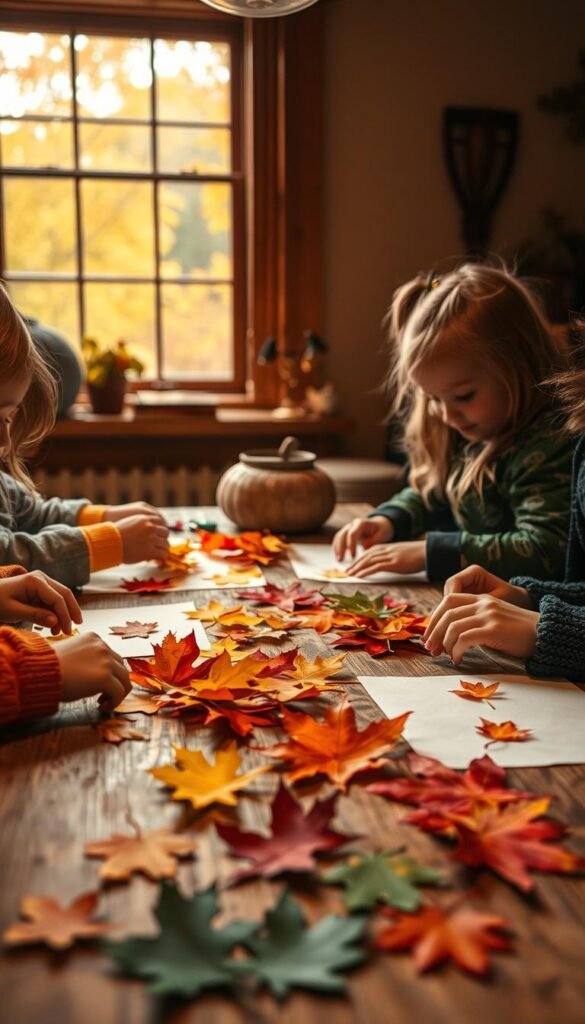
By displaying and preserving your child’s fall crafts, you’re showing them that their creative efforts are valued. This can help build their confidence as makers and encourage them to continue exploring their artistic side.
More Inspiration for Preschool Fall Crafts
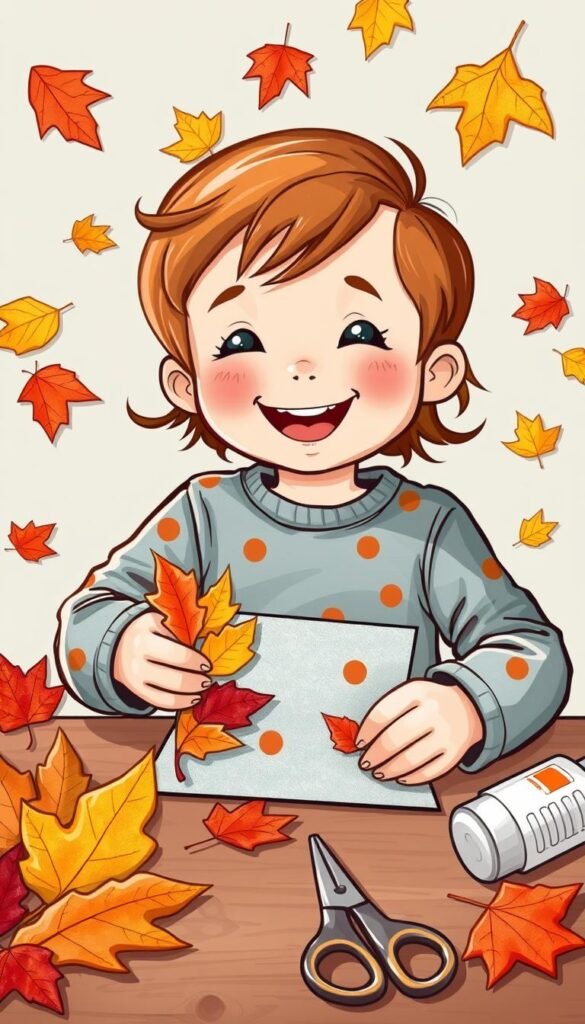
As the seasons change, preschoolers can enjoy a variety of fall-themed crafts that stimulate their creativity. One idea is to create simple leaf crafts like leaf rubbings or leaf crowns using real fall foliage. Kids can also make apple-themed crafts such as apple printing or paper apple trees.
Other fun ideas include pumpkin crafts beyond carving, like paper pumpkins or pumpkin sun catchers. You can also try corn-related crafts, such as making Indian corn from painted corn cobs or tissue paper. Fall tree crafts using techniques like finger painting or tissue paper collage are also great options.
Additionally, owl crafts made from paper plates or pinecones can be a delightful project. You can also explore harvest-themed crafts that teach about fall foods and farming. These fall crafts not only promote creativity but also offer a chance to learn about the season.
Seasonal Transitions: Using Crafts to Teach About Fall
Fall crafts offer a unique opportunity for preschoolers to learn about seasonal transitions in a fun and interactive way. By engaging in craft activities, children can develop a deeper understanding of the changes that occur during the fall season.
During craft time, conversations about why leaves change color, why some trees lose their leaves, and other fall phenomena can be initiated. For example, a craft project involving leaf rubbings can lead to discussions about the different types of leaves and their characteristics. Pairing these crafts with books about fall, such as “Leaf Man” by Eileen Spinelli, can reinforce seasonal learning.
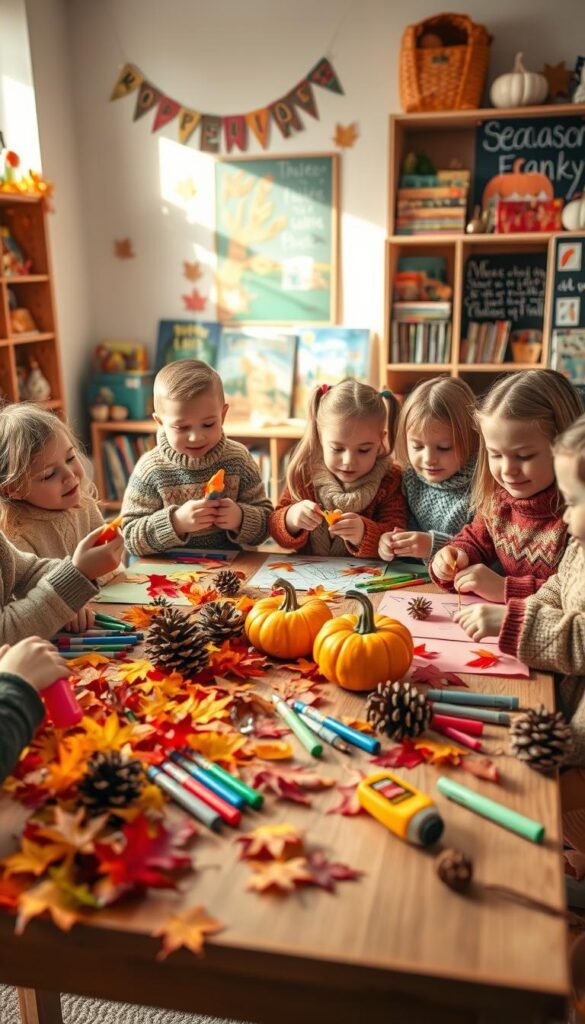
Comparing and contrasting fall with other seasons through craft activities and discussions can also be beneficial. Creating a seasonal chart or calendar that children can add to as they notice changes outdoors can help them track the progression of the seasons. This activity can also introduce fall vocabulary like “harvest,” “autumn,” “deciduous,” and “migrate.”
| Season | Characteristics | Craft Ideas |
|---|---|---|
| Fall | Leaves change color, harvest season | Leaf rubbings, paper plate scarecrows |
| Winter | Cold weather, snow | Paper snowflakes, cotton ball snowmen |
| Spring | Flowers bloom, warmer weather | Flower crowns, paper plate butterflies |
By connecting fall crafts to other learning domains, such as counting fallen leaves for math or discussing animal preparations for winter, children can develop a more comprehensive understanding of the season. Hands-on craft activities make abstract seasonal concepts more concrete and understandable for young children.
Conclusion
As we wrap up our exploration of preschool fall crafts, it’s clear that these activities offer a wealth of benefits for young children. The Sensory Sunflower Masterpiece and Paper Plate Scarecrow Friend crafts are just a few examples of how you can encourage creativity and learning in your preschooler.
These simple crafts create opportunities for quality time, learning, and memory-making with preschoolers. By approaching crafting with a process-oriented mindset, focusing on the experience rather than perfect results, you can help your child develop essential skills while having fun.
Remember, these fall crafts can be adapted to suit individual children’s interests, abilities, and attention spans. Start with one simple craft and gradually build a seasonal crafting tradition that can grow with your child. This hands-on creative activity provides a welcome alternative to screen time and passive entertainment.
We encourage you to share your experiences with these crafts and to build on the ideas presented with your own creative variations. By embracing the joy of seasonal crafting with preschoolers, you’ll not only be creating art but also making memories that will last a lifetime. So, gather your materials, including paper and paper plates, and get ready to make some unforgettable fall memories with your kids.