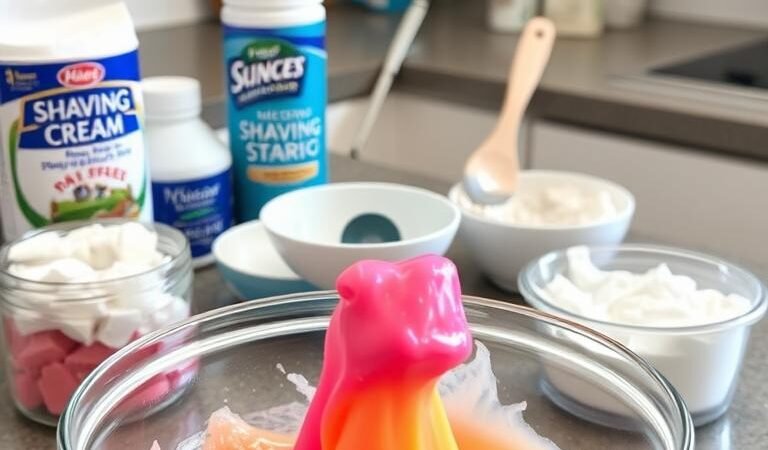
Are you looking for a fun, creative activity that doesn’t involve glue? Making slime without glue is simple and fun for kids and adults. This easy slime recipe is great for those who love DIY crafts and want to have fun at home.
In this article, we’ll look at recipes that don’t use glue but are just as fun. You’ll get to enjoy the slime texture and let your creativity shine. So, get ready to dive into the world of slime making!
Key Takeaways
- Learn how to make slime without glue using everyday ingredients.
- Discover easy slime recipes perfect for children.
- Engage in fun DIY slime activities at home.
- Experience different textures and variations of slime.
- Find creative ways to customize your slime with colors and scents.
- Enjoy a safe, mess-free creative project for all ages.
Understanding the Basics of Slime
Slime is a fascinating substance that is not like regular fluids. It forms when a polymer meets a gelling agent. This creates its unique stretchy, gooey texture. You can make slime in many ways, not just with glue.
Common slime ingredients include white or clear PVA glue. This is a key part in many slime recipes. Activators like Borax or contact lens solution turn these ingredients into slime. The mix of these ingredients changes the slime’s texture and properties.
Learning about slime’s chemistry is rewarding. Making slime is not just fun. It also boosts creativity and sensory play. It’s loved by kids and adults alike.
What Makes Slime So Popular?
Slime is loved by kids and adults alike for its cool feel. It’s a fun, hands-on activity that sparks creativity. People love how it can be both solid and liquid.
Making slime helps kids develop their fine motor skills. They get to stretch and shape it, improving their dexterity. Parents see it as a way to learn while having fun.
Customizing slime makes it even more appealing. You can add glitter or colors to make it your own. This personal touch keeps people coming back for more.
How To Make Slime Without Glue – Easy Slime Recipe
Making slime without glue is a fun and creative activity. Many recipes use common household items. This makes it easy for everyone to try. Here are the main ingredients and some ideas to get you started.
Key Ingredients for No Glue Slime
- Cornstarch: This acts as a primary thickening agent, providing a unique texture.
- Dish Soap: A liquid soap can help achieve the stretchiness and form a cohesive texture.
- Baking Soda: This ingredient can help stabilize the mixture and improve its consistency.
- Water: A little moisture is essential for mixing all the components together.
- Shampoo: For those looking to experiment, shampoo can create an impressively fluffy slime.
Common Variations in No Glue Slime Recipes
Trying different no glue slime recipes can be exciting. Here are some variations to consider:
- Two-Ingredient Slime: Combine cornstarch with water for a simple but effective formula.
- Shampoo Slime: Mix shampoo with cornstarch to create a pliable and fluffy consistency.
- Dish Soap Slime: Use dish soap along with baking soda to produce a stretchy and fun slime.
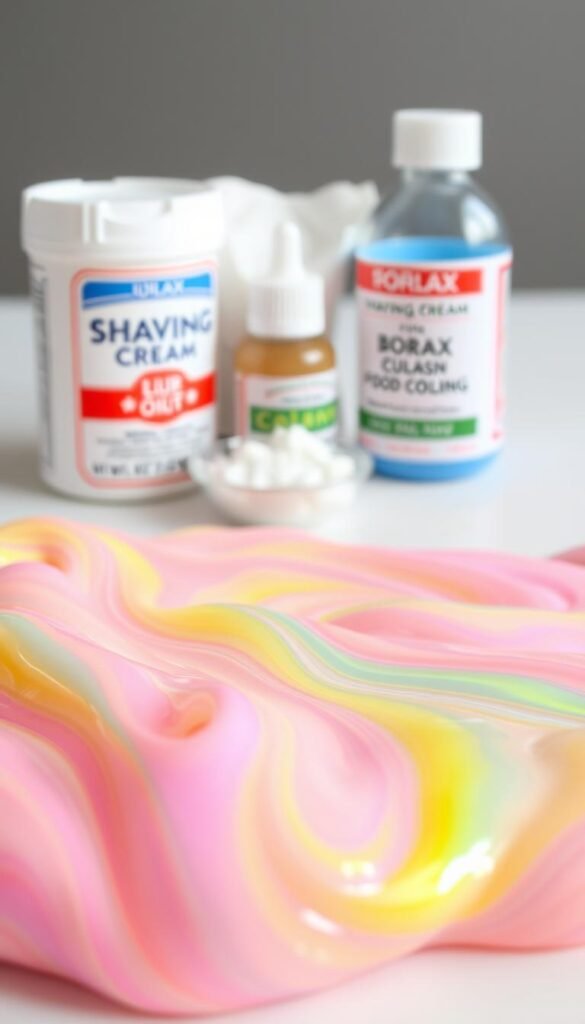
Two-Ingredient Slime Recipe
Looking for a fun and easy slime recipe? Try this two-ingredient slime. It uses common household items. It’s great for kids to get creative.
Using Cornstarch and Dish Soap
This slime recipe needs cornstarch and dish soap. Start by adding 2 tablespoons of cornstarch to a bowl. Then, mix in 1.5 tablespoons of dish soap. This will make your slime have a special texture.
Mixing Instructions for Quick Slime
Start stirring the mix until it’s the right consistency. If it’s too watery, add more cornstarch. If it’s too thick, add a bit more dish soap. This recipe lets you adjust it easily. You can make the perfect slime without making a mess.
Fluffy Slime Without Glue and Activator
Making fluffy slime without glue and activator is fun and easy. This recipe uses simple ingredients to create a soft, stretchy slime. It’s perfect for playtime. Follow these steps to make fluffy slime that kids and adults will love.
Ingredients Needed for Fluffy Slime
- 1 cup white school glue
- 1 cup shaving cream
- 1 tablespoon saline solution
- 1 tablespoon baking soda
- Food coloring (optional)
Steps to Achieve Perfect Fluffiness
- In a large mixing bowl, combine 1 cup of white school glue and 1 cup of shaving cream. Stir until well mixed.
- Add 1 tablespoon of baking soda to the mixture and combine thoroughly.
- Slowly incorporate 1 tablespoon of saline solution while continuing to mix. This will help the slime to start coming together.
- If desired, add a few drops of food coloring for a fun twist, and mix until uniform in color.
- Continue to knead the slime with your hands until it reaches the desired fluffiness, which should take about 5 minutes.
Once you master this fluffy slime recipe, feel free to explore different colors and textures for added excitement. Making fluffy slime provides endless hours of creative play!

How to Make Slime Without Activator
Making slime without activator is a fun and creative way to spend time. You don’t need special ingredients like contact lens solution or Borax. Instead, you can use things like baking soda, dish soap, or shampoo.
To start, pick your base ingredients. Baking soda makes slime thicker, while dish soap makes it easier to mix. Both help the slime come together without any extra activators. With a few simple steps, you can make a fun, squishy slime.
Changing how much of each ingredient you use can change the slime’s feel. You might like it firmer or more runny. This lets you play and experiment, making slime your own.
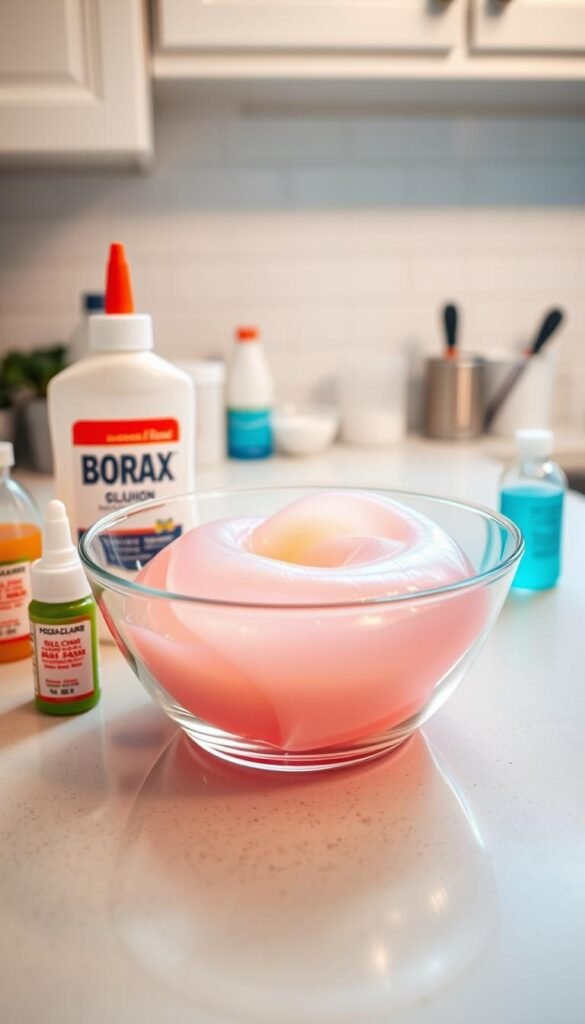
Homemade Slime with Baking Soda and Shampoo
Making slime at home is fun, using baking soda and shampoo. This recipe is great for those who like DIY slime without glue. You can make it with common items, skipping the usual activators.
Easy Recipe to Follow
To make this slime, you’ll need a few things. Here’s what you’ll need:
- 1 cup of baking soda
- 1 tablespoon of shampoo
- Optional: Food coloring for customization
Mix the baking soda and shampoo in a bowl until it’s smooth. This mix makes a slime that you can stretch and play with. You can add food coloring to make it your own, letting your creativity shine.
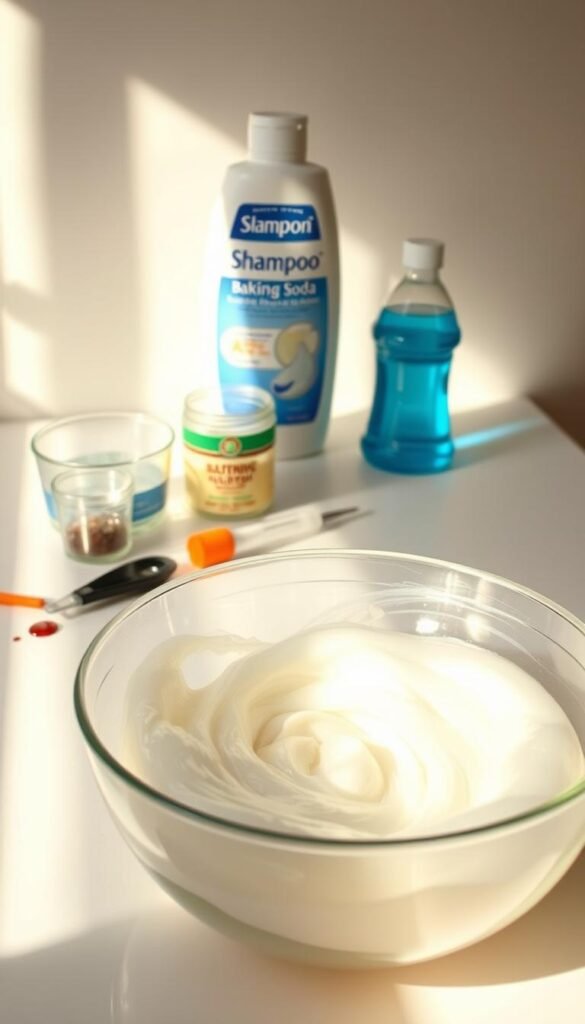
This slime recipe is not only fun but also lets you play with different textures and colors. Try changing the amounts to see how it changes the slime. Have fun and let your imagination soar with this DIY slime!
Exploring Creative Additions for No Glue Slime
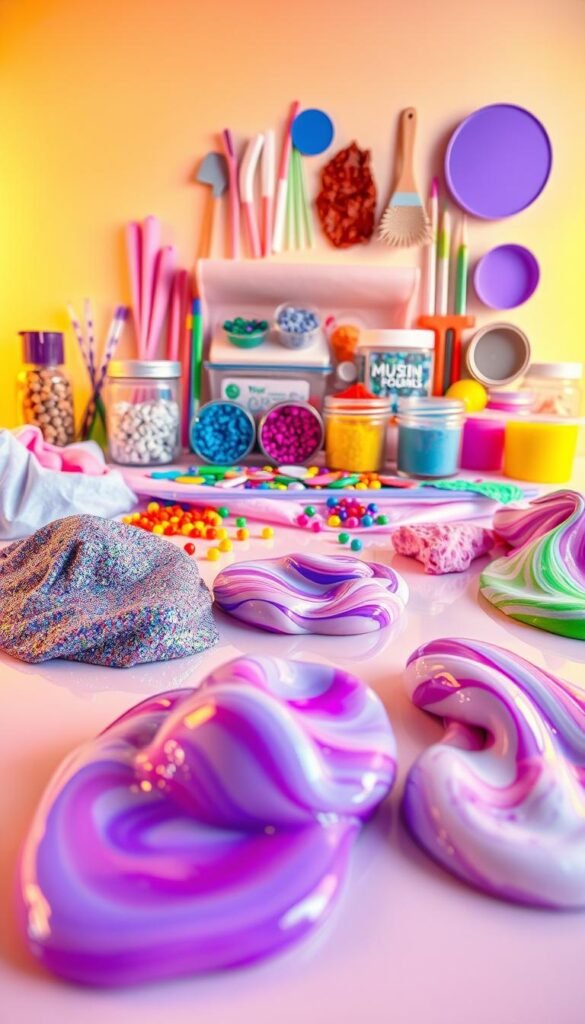
Adding vibrant colors and enticing scents to your slime can be fun. These creative slime ideas can turn regular slime into a fun adventure for everyone. Here are some ways to add food coloring and scented products to make your slime stand out.
Incorporating Food Coloring for Extra Fun
Food coloring can make your slime look amazing. You can pick from many colors to match your theme. Just a few drops of food coloring can make a big difference. Here are some ideas for using food coloring:
- Mix colors to create swirls or tie-dye effects.
- Use gel food coloring for deeper hues.
- Create a rainbow slime by adding colors layer by layer.
Using Scented Products for Additional Sensory Experience
Adding scented products can make your slime even more fun. Use scented oils or flavored extracts for a great smell. Just a few drops can make a big difference. Here are some tips for adding scents:
- Choose natural extracts like vanilla or almond for a gentle fragrance.
- Experiment with essential oils like lavender or peppermint for a calming effect.
- Add scents that match the color of your slime, like citrus for yellow slime.
Benefits of Making Slime Without Glue
Making slime without glue has many benefits for both parents and kids. It creates a safe and non-toxic play space. Traditional slime can have allergens and irritants, which are bad for sensitive skin. Using glue-free ingredients makes slime safer for everyone.
Slime-making also boosts learning. It encourages creativity as kids play with colors, textures, and shapes. This activity helps improve fine motor skills and introduces science concepts like polymers. It sparks curiosity and critical thinking.
In short, slime without glue is fun and educational. It helps kids grow creatively and cognitively. Families can have fun together while learning something new.

Cleaning Up After Your Slime Adventure
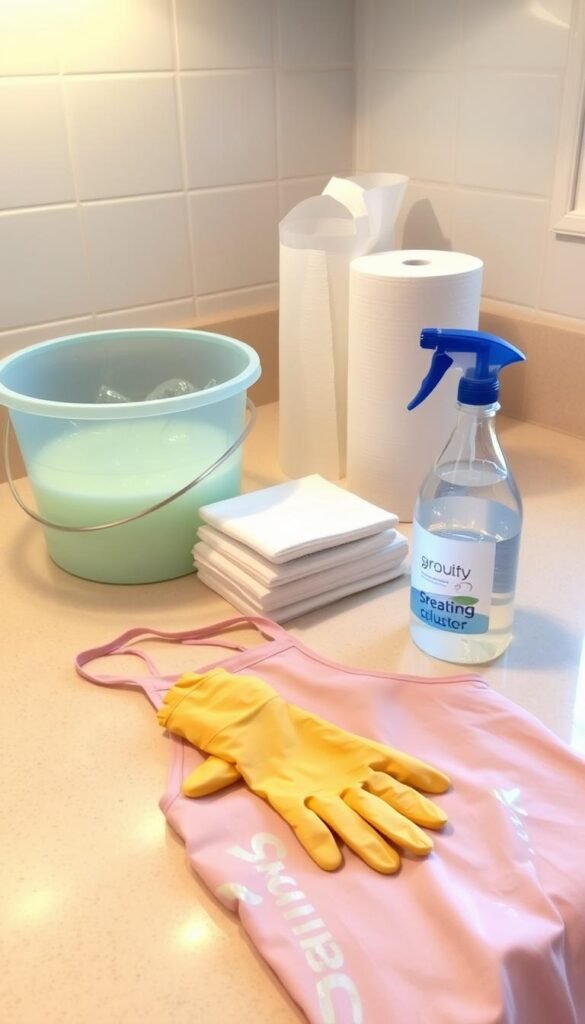
After a fun slime-making session, it’s important to clean up. Using slime clean up tips can help manage the mess. Start by making sure everyone wears smocks or old clothes to avoid stains. This keeps clothes safe and makes the fun last longer.
To clean surfaces, follow these slime clean up tips: Use warm, soapy water for any residue. For hard spots, vinegar can break down the slime. Always have paper towels or cloths ready for quick clean ups. The sooner you clean spills, the easier it is.
Don’t forget about your hands. A mix of hand soap and warm water usually works. But if slime is hard to remove, rubbing alcohol can help. Keeping things tidy after playtime makes it more fun for kids to be creative.
How to Store Your No Glue Slime
Storing slime right is key to keeping it fun and fresh. To make your slime last longer, use these tips. Store it in airtight containers or bags. This keeps air out, helping your slime stay moist.
Temperature matters a lot when storing slime. Keep it in a cool, dry spot, away from sunlight. Heat can change its feel. If you want to keep slime for a while, try the fridge. It helps your slime stay good for more playtime.
Check your slime now and then to keep it fresh. If it looks or smells off, it’s time to throw it away. By following these steps, your slime can stay fun for weeks or months.

Conclusion
We’ve looked at many ways to make slime without glue. This shows how easy and fun it is. Using things like cornstarch and dish soap, we can make slime that’s both fun and creative.
As we finish this guide, let’s think about the fun of making slime. Doing these DIY projects helps us be creative and bond with others. Trying new recipes and adding special touches makes it even more exciting.
So, get ready to make some slime! Enjoy the process of making slime without glue. Let your creativity shine as you explore the magical world of slime.