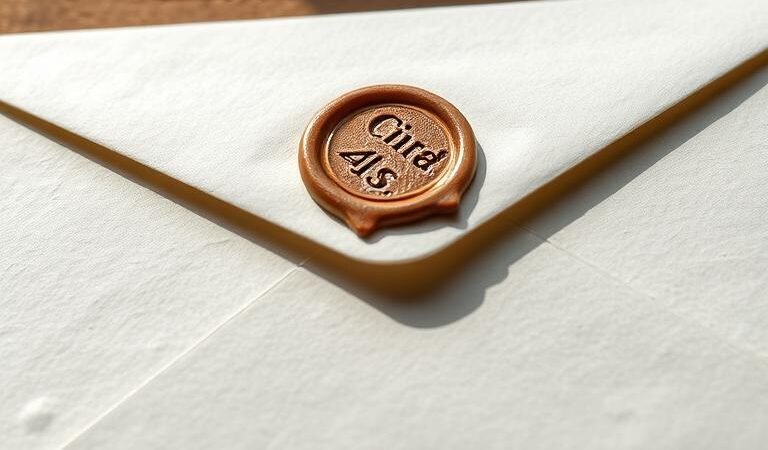
Creating your own envelopes at home is a fun and practical skill that adds a personal touch to your correspondence. With just a few simple materials, you can craft beautiful envelopes for cards, letters, and special notes.
This guide will walk you through multiple methods, from basic paper folding to no-glue origami techniques, making it easy for beginners to get started. You’ll learn to create different styles and sizes of envelopes that are perfect for any occasion.
By following this tutorial, you’ll be able to add a personal touch to your correspondence that store-bought envelopes lack. Even children can master these simple techniques, making it a great activity for the whole family.
Key Takeaways
- Learn multiple methods for creating handmade envelopes
- Discover simple techniques for crafting different envelope styles
- Understand how to add a personal touch to your correspondence
- Find out how to involve children in the envelope-making process
- Create unique envelopes for special occasions
Why Make Your Own Envelopes
Creating your own envelopes can add a personal touch to your letters and cards. This simple act can make your correspondence more meaningful and special, especially for significant events.
Personal Touch for Special Occasions
Handmade envelopes allow you to match the theme of special occasions like birthdays, weddings, or holidays. For instance, you can use decorative paper that fits the occasion, making your gift or card even more special. Children can also participate in envelope-making as a fun DIY craft activity, making it a great way to spend quality time together.
Cost-Effective Alternative to Store-Bought Envelopes
Making your own envelopes is a cost-effective alternative to buying specialty envelopes. By repurposing materials you already have at home, such as old magazines or wrapping paper, you can save money. This approach also allows for custom sizing to fit non-standard cards or gifts, ensuring a perfect fit every time.
| Benefits | Description |
|---|---|
| Personalization | Customize envelopes to match special occasions or personal style |
| Cost Savings | Save money by using materials you already have at home |
| Environmental Benefits | Reduce waste by repurposing old materials for your envelopes |
Materials You’ll Need for DIY Envelopes
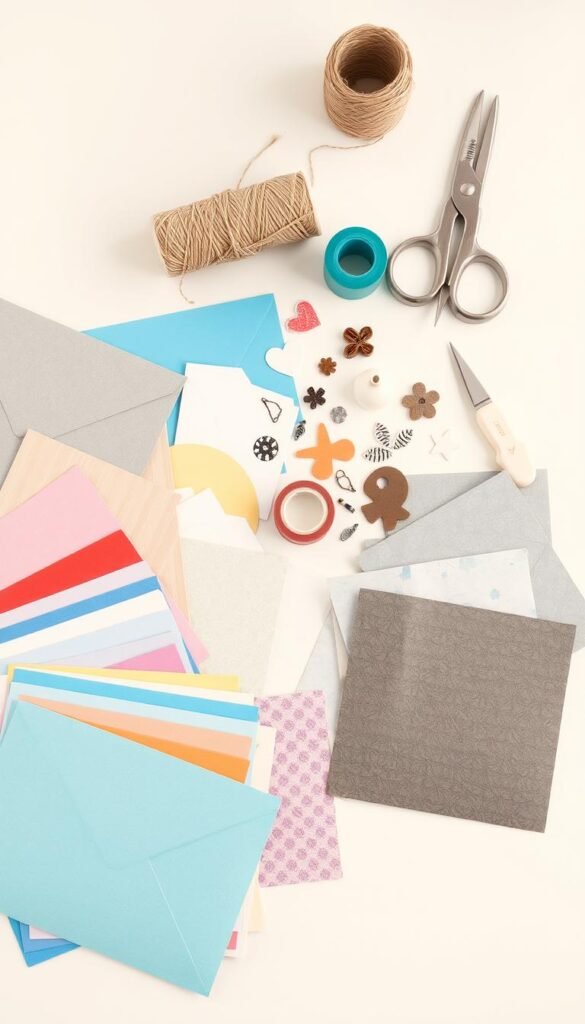
The art of making envelopes starts with selecting the right paper and tools. You can use any kind of paper you like, from colored or patterned paper to old magazines, brown kraft paper, or simple printer paper.
Paper Options
Various types of paper can be used for envelope-making, including standard printer paper, construction paper, scrapbook paper, and origami paper. You can also repurpose materials like gift wrap or magazine pages. The weight of the paper affects both the durability and the ease of folding of the finished envelope.
| Paper Type | Durability | Folding Ease |
|---|---|---|
| Standard Printer Paper | Medium | Easy |
| Construction Paper | Medium | Easy |
| Scrapbook Paper | High | Moderate |
| Origami Paper | Low | Very Easy |
Tools and Adhesives
To craft your envelope, you’ll need scissors or a paper trimmer, a ruler for measuring, and a bone folder or similar tool for creating crisp folds. For adhesives, you can choose between glue sticks, double-sided tape, and liquid glue, each with its pros and cons for envelope construction.
Optional Decorative Elements
To enhance your handmade envelopes, consider using decorative elements like washi tape, stamps, stickers, or hand-drawn designs. These embellishments can add a personal touch to your envelopes.
Before starting, prepare your materials by selecting the right paper size based on the intended contents, whether it’s cards, letters, or small gifts. With your materials ready, you’re set to begin crafting your DIY envelope.
How To Make An Envelope Using Basic Paper
With just a few folds, you can transform a standard sheet of paper into a functional envelope. To begin, position your paper with the pattern side down if you’re using decorative paper.
Step-by-Step Instructions
Follow these steps to create your envelope:
- Fold your bottom right corner up until the whole bottom side of the paper is flush with the left side.
- Trim off the top rectangle piece and open up your paper.
- Make a triangle by bringing the bottom left-hand corner to the top right-hand corner, creating a small crease at the bottom of the triangle.
- Orient your paper so the corner without a crease is at the top, then fold the other three corners to the center.
- Fold the bottom half up and then fold your top flap down to complete the envelope.
| Step | Description |
|---|---|
| 1 | Fold bottom right corner up |
| 2 | Trim top rectangle piece |
| 3 | Make a triangle with bottom left-hand corner |
Tips for Clean Folds and Edges
To achieve sharp, clean folds, use a tool like a bone folder or the edge of a ruler. This will help you create a crisp crease that will hold the envelope’s shape.
Creating Custom-Sized Envelopes for Cards
Creating the perfect envelope for your card is easier than you think. With a few simple steps, you can ensure that your card arrives safely and stylishly. To start, you’ll need to measure your card to determine the ideal envelope size.
Measuring Your Card for the Perfect Fit
To make the envelope the right size for your card, lay your paper on a flat surface and place your card along the bottom edge of the paper. Ensure that your paper is approximately 2 cm wider than the card on both sides and about 2.5 times as tall as your card. This will provide a snug fit and prevent the card from slipping out.
| Card Dimension | Paper Width | Paper Height |
|---|---|---|
| 10 cm x 15 cm | 14 cm | 37.5 cm |
| 12 cm x 18 cm | 16 cm | 45 cm |
Folding Technique for Card Envelopes
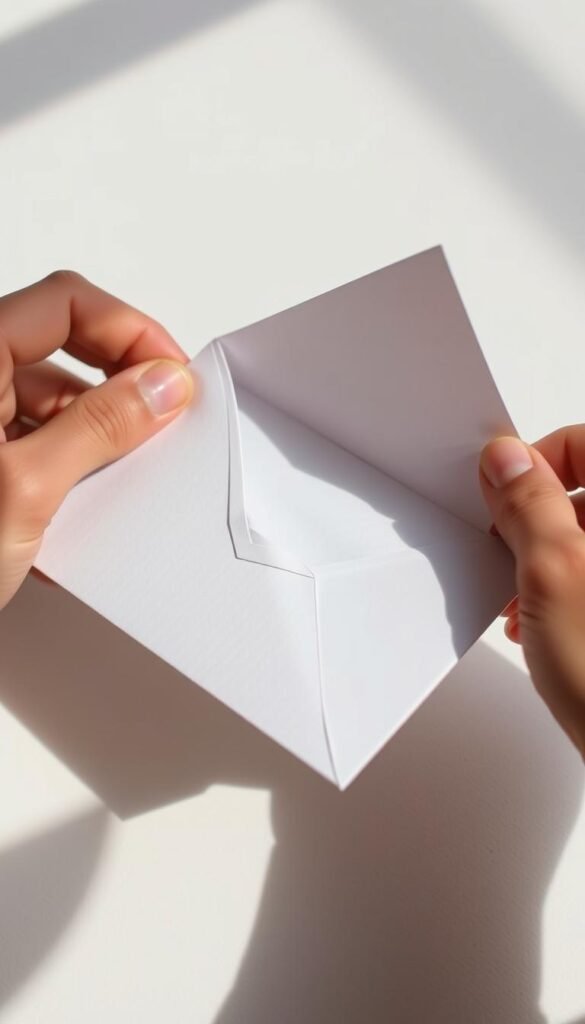
Once you have your paper cut to size, you can proceed with a folding technique that’s slightly different from the basic envelope method. Fold the paper in a way that creates a secure pocket for your card, ensuring that it’s not too tight or too loose.
Securing Your Card Envelope
To secure your card envelope, you can use a small piece of tape or a dab of adhesive. For envelopes that will be handled frequently or mailed, consider using a more secure closure method. You can also add a decorative touch by coordinating the envelope design with the card theme, making it perfect for special occasions like birthdays or when sending a gift card.
No-Glue Origami Envelope Method
Discover the art of creating envelopes without glue or tape using the origami envelope method. This technique is ideal for sending quick notes or small gifts when adhesives aren’t available.
Preparing Your Paper
To start, take a square piece of paper and trim it to size if necessary. It’s essential to begin with a perfectly square paper for this method to work. Write your note on the paper before folding, as it becomes integrated with the envelope.
Folding Process for Origami Envelopes
To create the origami envelope, follow these steps:
- Fold the paper in half, ensuring the pattern is on the outside if your paper has one.
- Open it back out and fold the bottom edge up to meet the middle crease.
- Repeat this process, folding the bottom edge up to meet the new crease, effectively dividing the bottom section into quarters.
- Fold the top edge down to meet the crease you just made.
- Fold the bottom corners in to create triangular flaps on each side.
- Fold the sides in using the edges of the triangles as guides.
- Fold the top corners in to form the closing flap of your envelope.
Closing and Securing Without Adhesives
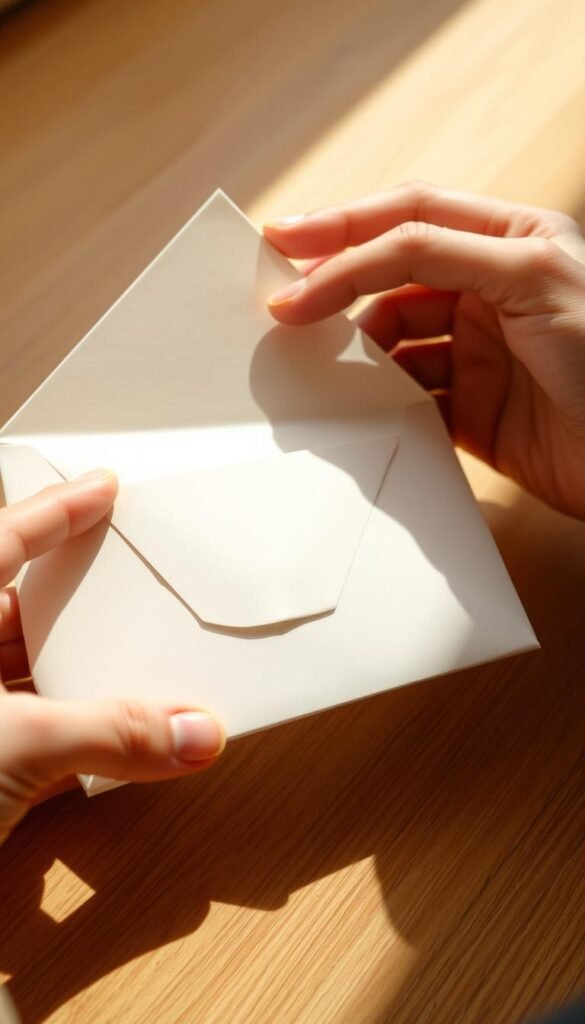
To close your envelope, fold down the top flap and refold along the crease. Then, tuck the top flap under the bottom flap, securing your envelope without the need for glue or tape. This method creates a neat and functional envelope perfect for notes, gift cards, or small keepsakes.
Conclusion: Your Handmade Envelope Journey
The art of creating envelopes is a skill that combines functionality with personal expression. By making your own envelope, you can add a unique touch to your correspondence and gifts.
We’ve explored three methods to make an envelope: using basic paper, creating custom-sized envelopes for cards, and the no-glue origami technique. Each method allows for personalization that store-bought envelopes can’t match. Experiment with different papers, sizes, and decorative elements to develop your signature style.
Not only is envelope-making a thoughtful activity to share with children, but it also offers practical benefits like cost savings and custom sizing. We invite you to share your handmade envelope creations and explore more paper craft tutorials through our links.