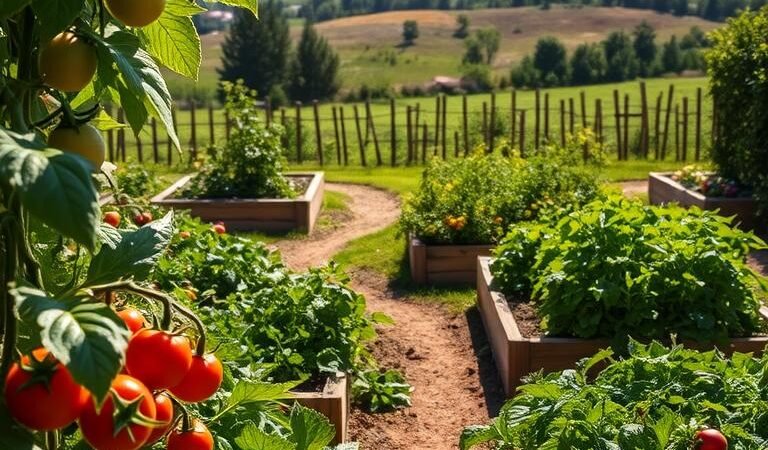
Growing your own vegetables is a rewarding experience that brings joy and numerous benefits. It allows you to spend time outdoors surrounded by nature and plants, nurturing them from seedlings to harvest.
Not only is it good for you, but it’s also beneficial for the environment. By growing your own veggies, you reduce the carbon footprint associated with transporting produce from supermarkets. Home-grown produce is often tastier, more nutritious, and can be grown organically in your garden or even in soil on your balcony.
Key Takeaways
- Learn how to create a thriving vegetable garden from scratch.
- Discover the benefits of growing your own food, including fresher produce and cost savings.
- Maximize your space for optimal gardening results, regardless of whether you have a spacious backyard or a small balcony.
- Understand the steps involved in growing your own veggies, from selecting the perfect location to harvesting your first homegrown vegetables.
- Gain the knowledge and confidence needed to start your own productive garden.
Why Growing Your Own Vegetables Is Worth It
Growing your own vegetables is a rewarding experience that offers numerous benefits. Not only does it provide a sense of accomplishment, but it also has a positive impact on your health, wallet, and the environment.
Health and Environmental Benefits
Growing your own vegetables can significantly improve your diet by providing fresh produce right in your backyard. As I can attest, it also serves as a much-needed physical and mental outlet, helping to alleviate anxiety. According to the data, a single cucumber plant can produce 5-10 pounds of cucumbers in a season, while one tomato plant can yield around 12 pounds of tomatoes. By having a vegetable garden, you’re not only supplementing your diet but also contributing to a more sustainable lifestyle.
Cost Savings and Food Security
Having a garden can lead to significant cost savings. With an initial investment of about $50-100 in seeds and basic supplies, you can produce hundreds of dollars worth of vegetables throughout the growing season. For instance, growing expensive produce like heirloom tomatoes and specialty peppers can save you money that would otherwise be spent at grocery stores. Moreover, having a continuous harvest from spring through fall ensures that your family is well-fed and food-secure. As I have experienced, saving seeds from year to year reduces ongoing costs and allows you to develop plants that are perfectly adapted to your specific growing conditions.
Some of the key benefits include:
- Significant cost savings on produce, especially expensive varieties like heirloom tomatoes.
- A continuous harvest from spring through fall with proper planning.
- Buffer against food supply disruptions and price fluctuations.
- Reduced ongoing costs by saving seeds from year to year.
Choosing the Perfect Location for Your Vegetable Garden
When it comes to establishing a thriving vegetable garden, the location is paramount. The right spot can provide the necessary conditions for your vegetables to grow healthily and productively.
Sunlight Requirements
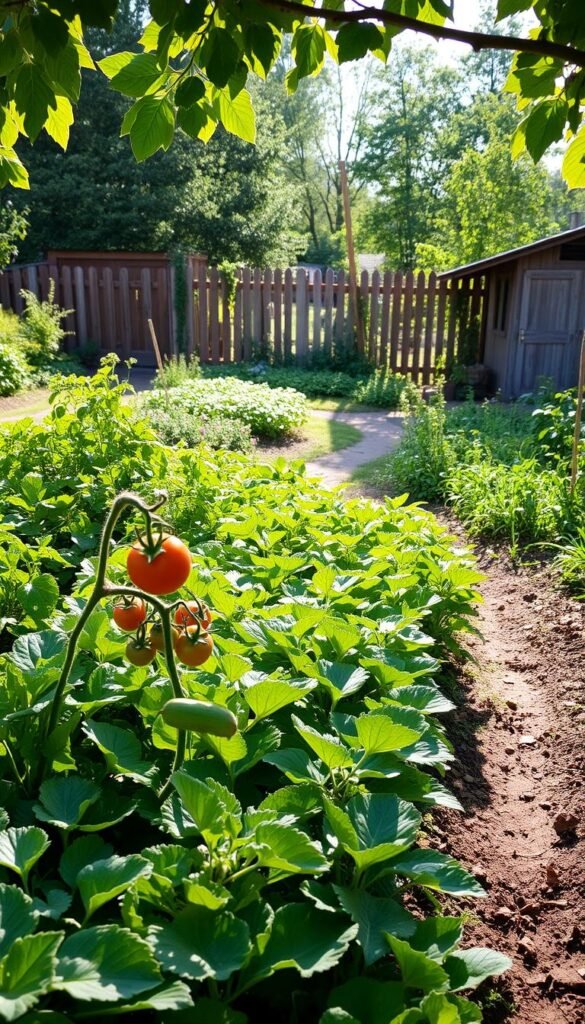
Most vegetables require a significant amount of sunlight to grow. Ideally, your garden should receive at least 6 hours of direct sunlight per day. If your garden is shaded, consider using grow lights or selecting shade-tolerant vegetables.
Access to Water
Having a reliable source of water nearby is crucial. I recommend locating your garden close to a water source to make watering and maintenance easier. This will also help prevent overwatering, which can be detrimental to your vegetables.
Space Considerations
The size of your garden will depend on the space available and your personal preferences. When designing your garden, keep in mind that raised beds should be no wider than 3-4 feet to allow easy access to the center without compacting the soil. Here are some key considerations:
- Leave adequate pathways (at least 2-3 feet wide) between beds for comfortable access with wheelbarrows and garden tools.
- Choose a relatively level site to prevent water runoff and soil erosion.
- For beginners, start with a modest-sized garden, perhaps a single 4’x8′ bed, and expand as you gain experience.
- Consider the proximity of your garden to your kitchen to encourage regular use of your fresh produce.
By carefully selecting the location for your vegetable garden and considering factors like sunlight, water, and space, you can create a thriving and productive garden that will provide you with fresh vegetables for seasons to come.
Types of DIY Vegetable Garden Setups
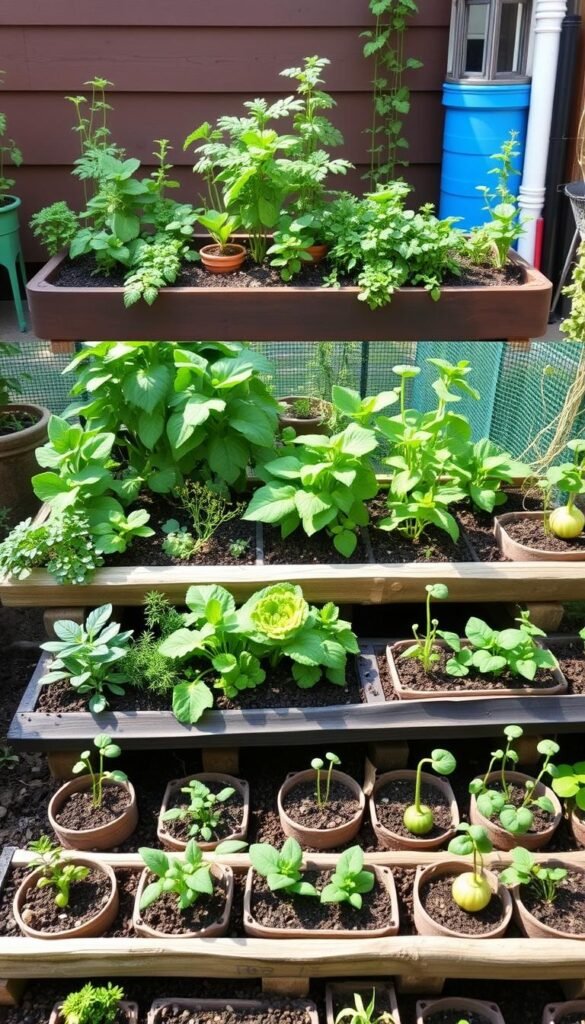
Creating a thriving vegetable garden can be achieved through various DIY setups, each with its unique benefits. When considering diy vegetable garden ideas for small spaces, it’s essential to explore the different options available.
Raised Bed Gardens
Raised bed gardens are a popular choice for many gardeners. To start, you’ll need to remove any sod that’s below where your raised bed will be. You can either use a tarp or black plastic to kill the grass over a few weeks or simply cut out the sod with a spade or shovel. Then, place the bed right on top. This method reduces the worry about weeds poking through your garden.
Container Gardens for Limited Spaces
For those with limited space, container gardens are an excellent option. They allow for flexibility and can be placed on balconies, patios, or even indoors. Ensuring your containers have good drainage and using a high-quality potting mix can lead to a successful harvest.
In-Ground Gardens
In-ground gardens are a traditional choice and require minimal initial investment. However, they depend heavily on the quality of your existing soil. Conducting a soil test to understand its composition and pH is crucial before planting. Preparing the site by removing grass and weeds, either by digging them out or using the sheet mulching method, is also essential.
Each of these DIY vegetable garden setups has its advantages, and the right choice depends on your specific needs and preferences. By understanding the requirements of each setup, you can create a thriving vegetable garden that suits your lifestyle.
Planning Your DIY Vegetable Garden Layout
When it comes to planning your DIY vegetable garden layout, there are several methods to consider for maximizing space and productivity. A well-designed garden layout can significantly impact the overall health and yield of your vegetable garden.
Square Foot Gardening Method
The Square Foot Gardening method is a highly efficient way to plan your garden layout. This approach involves dividing your garden into small, square sections, typically 1 foot by 1 foot, and planting a different crop in each section. By doing so, you can grow a diverse range of vegetables in a relatively small space, making it ideal for gardens with limited area.
Companion Planting Basics
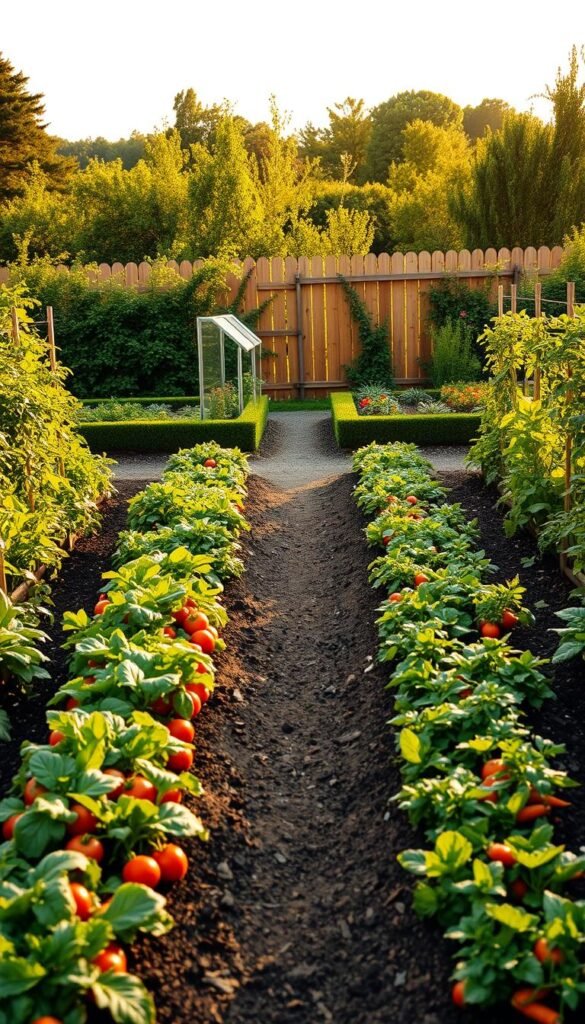
Companion planting is another crucial aspect of planning your DIY vegetable garden layout. This technique involves growing different plants together to improve their growth, health, and productivity. For instance, planting basil near tomato plants can enhance their flavor and repel pests. Other beneficial companions include marigolds, which deter nematodes, and nasturtiums, which attract beneficial insects.
By incorporating companion planting into your garden layout, you can create a balanced ecosystem that promotes healthy growth and reduces the need for pesticides. Some other examples of companion planting include the “Three Sisters” method, where corn, beans, and squash are planted together to support each other’s growth needs.
Building Raised Beds: Materials and Methods
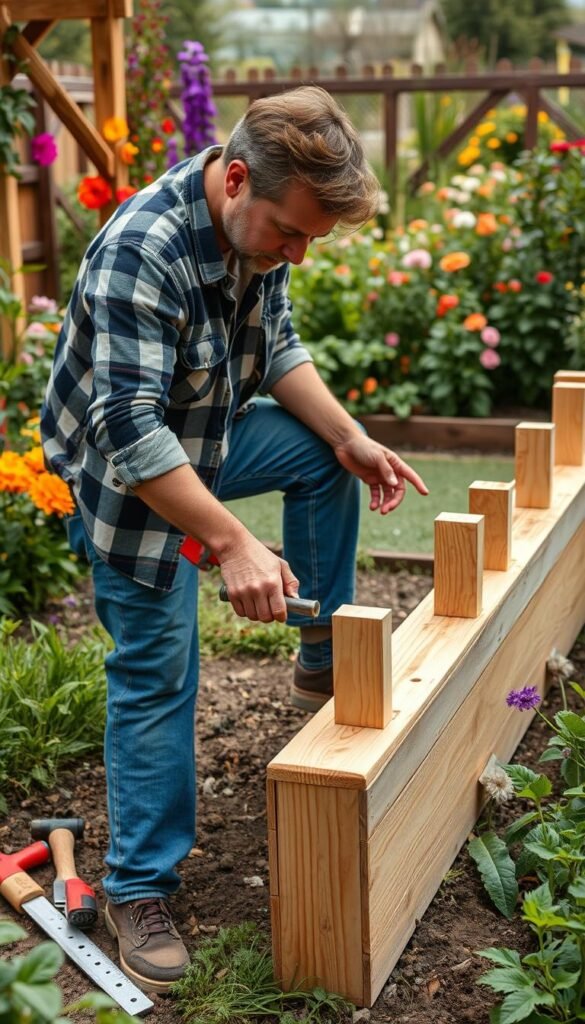
Creating a thriving vegetable garden starts with constructing a well-designed raised bed. This involves choosing the right materials and understanding the construction process.
Choosing the Right Materials
When it comes to building a raised bed, the materials you choose are crucial. I prefer using durable, untreated wood like cedar or recycled plastic for their longevity and resistance to rot. The posts used have grooves that allow you to slide the timber panels in, making assembly straightforward without needing screws or drills.
Size and Height Considerations
The size and height of your raised bed depend on the space available and your personal preference. I start by marking out the bed dimensions with stakes and string, ensuring the site is level or can be easily leveled. For a standard bed, I use 2×10 or 2×12 lumber cut to length, with 4×4 posts at each corner secured with galvanized screws for durability.
Step-by-Step Construction Guide
To construct my raised beds, I follow a simple process:
– I prepare the site by removing any existing vegetation and laying down a layer of cardboard to suppress weeds.
– When assembling my beds, I ensure all corners are square by measuring diagonally across the bed.
– For added stability in taller beds, I install cross-supports along the longer sides.
– I finish my raised bed construction by sanding any rough edges and applying a food-safe sealer if desired.
By following these steps and choosing the right materials, you can build a raised bed that will support a healthy and productive garden.
Creating the Perfect Soil Mix
Crafting the ideal soil mix is a crucial step in establishing a thriving vegetable garden. I’ve found that a well-balanced mix is key to providing the necessary nutrients, water retention, and drainage for optimal growth.
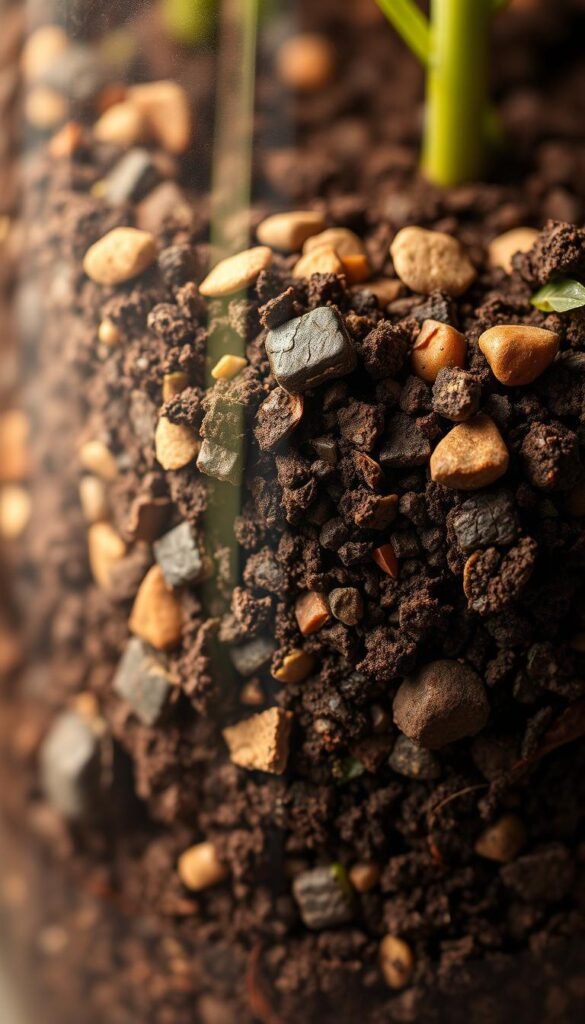
The No-Dig Layering Method
The no-dig layering method is an effective way to create a nutrient-rich soil mix without tilling. This approach involves layering organic materials like compost, vermiculite, or perlite, and garden soil to create a balanced mix. By avoiding tillage, we minimize soil disturbance, preserving its structure and beneficial microorganisms.
- Start with a layer of compost to provide slow-release nutrients.
- Add a layer of vermiculite or perlite to improve drainage and aeration.
- Top with a layer of garden soil to provide a stable base.
Essential Soil Components
A good soil mix should include a combination of essential components. Compost is a vital ingredient, as it provides nutrients, improves soil structure, and supports beneficial microorganisms. I also recommend incorporating vermiculite or perlite to enhance drainage and prevent compaction.
- Use equal parts compost, vermiculite or perlite, and high-quality topsoil for a balanced mix.
- Add extra perlite or vermiculite (about 30% of the total volume) to container gardens to improve drainage.
- Incorporate well-aged compost to provide slow-release nutrients and improve soil structure.
Selecting the Best Vegetables for Beginners
When beginning a vegetable garden, it’s essential to choose varieties that are forgiving and easy to grow. As a beginner, you want to start with plants that require minimal maintenance and can thrive in various conditions.
Easy-to-Grow Vegetables
Some of the best vegetables for beginners include leafy greens like spinach, kale, and Swiss chard. These plants are not only nutritious but also hardy and can tolerate cooler temperatures, making them perfect for early spring or late summer planting. Other easy-to-grow options include radishes, peas, and lettuce, which can be harvested in as little as 20 days.
Seasonal Planting Guide
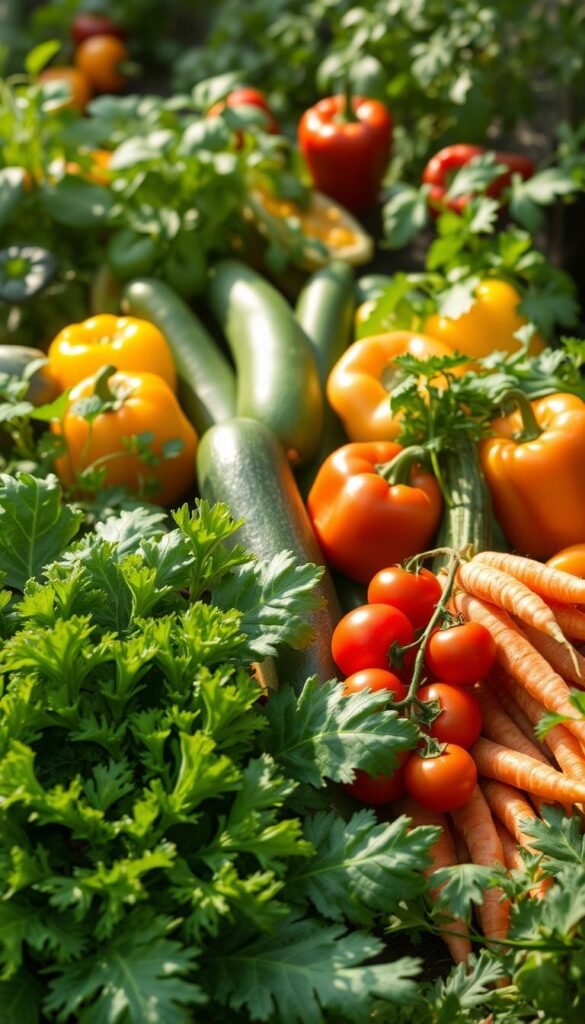
Understanding the season and how it affects your vegetable garden is crucial. For a spring garden, start with cold-tolerant vegetables like peas, spinach, and radishes, which can be planted 4-6 weeks before the last expected frost date. In contrast, warm-season crops like tomatoes, peppers, and cucumbers should be planted after the danger of frost has passed and soil temperatures reach at least 60°F.
To extend the growing season, consider planting a fall crop of quick-maturing cool-season vegetables like lettuce and spinach in late summer. Additionally, certain vegetables like kale and Brussels sprouts improve in flavor after light frosts, making them ideal for late-season harvests. When planning your garden, use succession planting techniques by sowing small amounts of seeds every 2-3 weeks to ensure a continuous harvest. Starting with seeds can be a rewarding experience, allowing you to nurture your plants from the beginning.
In winter, focus on planting cold-hardy varieties like spinach and kale, which can thrive in cooler temperatures. By choosing the right vegetables for each winter month, you can enjoy a bountiful harvest even in the colder months.
Planting and Growing Your Vegetable Garden
Planting your vegetable garden is a crucial step in growing your own veggies. It’s a moment that requires careful consideration to ensure that your plants get off to a healthy start.
Starting from Seeds vs. Seedlings
When it comes to starting your vegetable garden, you have two primary options: starting from seeds or using seedlings. Starting from seeds can be more cost-effective and allows for a wider variety of choices. On the other hand, seedlings give you a head start on the growing season.
Proper Planting Techniques
To ensure your vegetables thrive, proper planting techniques are essential. Before planting, I always water my planting area thoroughly to ensure the soil is moist and welcoming for new plants or seeds.
- When transplanting seedlings, gently loosen the root ball if it’s compacted.
- For direct-sown seeds, follow the seed packet’s recommended planting depth and spacing guidelines.
- Apply a 2-3 inch layer of organic mulch around newly planted seedlings to conserve moisture and suppress weeds.
After planting, it’s crucial to water your seedlings with a diluted seaweed fertilizer to help with transplant shock. This step ensures your plants get a healthy start in their new garden environment.
| Planting Method | Advantages | Considerations |
|---|---|---|
| Starting from Seeds | Cost-effective, wider variety | Requires more time and care initially |
| Using Seedlings | Gives a head start on the growing season | Can be more expensive |
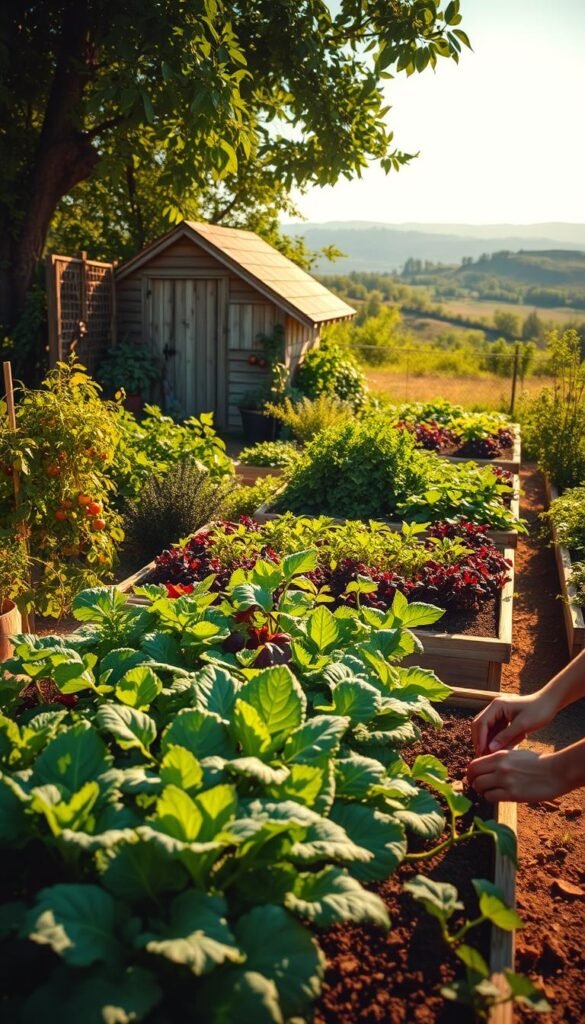
By following these guidelines and choosing the right method for your garden, you’ll be well on your way to enjoying a bountiful harvest.
Maintaining Your DIY Vegetable Garden
As your DIY vegetable garden grows, maintaining it becomes crucial for a bountiful harvest. Proper care ensures that your plants remain healthy and productive throughout the growing season.
Watering and Irrigation Tips
Adequate watering is essential for the health of your garden. I recommend watering your plants early in the morning to minimize evaporation and reduce the risk of fungal diseases. It’s also important to avoid overwatering, which can be detrimental to your plants.
Mulching and Weed Control
Mulching around your plants helps retain moisture, suppress weeds, and regulate soil temperature. Organic mulches like straw or wood chips are effective and easy to apply. Regularly removing weeds by hand or with tools prevents them from competing with your garden for nutrients.
Dealing with Pests and Diseases
Keeping an eye out for pests like white cabbage butterflies and caterpillars is crucial. I practice integrated pest management by focusing on prevention through healthy soil and proper spacing. When issues arise, I use organic controls like neem oil or insecticidal soap. For example, installing a 4-foot tall fence around my garden has helped keep out predators like bunnies. Additionally, planting flowers like marigolds and zinnias attracts beneficial insects that help control pest populations.
Conclusion: Enjoying the Fruits of Your Labor
Growing your own vegetable garden is a rewarding experience that offers numerous benefits for you and your family. As you harvest fresh produce, you’re not just getting nutritious food; you’re also enjoying quality time with nature and your loved ones. Regular harvesting encourages plants to produce more, making the experience even more fulfilling.
I’ve found that maintaining a garden and picking vegetables at their peak ripeness results in better flavor and encourages continued production. I encourage you to start your own vegetable garden, no matter how small, and experience the joy of growing your own food.