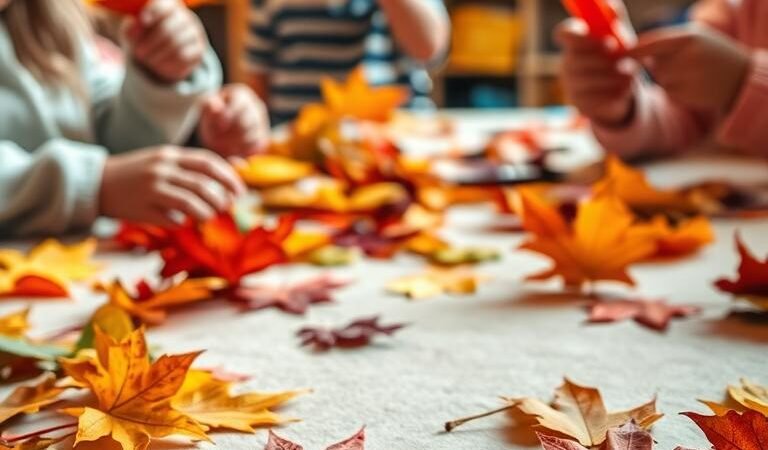
As trees paint neighborhoods with fiery reds and golden hues, families discover endless ways to turn nature’s confetti into creative adventures. This season offers free materials right outside your door—perfect for sparking imagination while teaching little ones about seasonal changes.
Simple projects like pressed leaf art or whimsical animal designs let children explore textures and colors through hands-on play. These activities build fine motor skills without feeling like structured lessons. Best of all, gathering supplies becomes its own outdoor scavenger hunt!
Parents love how these ideas work for varied age groups and busy schedules. Whether creating window decorations on a rainy afternoon or hosting a weekend crafting party, each project celebrates the fleeting beauty of the year’s most colorful months.
Key Takeaways
- Transform fallen foliage into imaginative art using basic household supplies
- Encourage outdoor exploration through nature collection missions
- Develop color recognition and creativity across different age groups
- Create lasting seasonal decorations without expensive materials
- Combine learning opportunities with family bonding time
Introduction to Fall Crafts with Nature’s Palette
As temperatures drop, backyards transform into free art supply stores bursting with color. Twigs, pinecones, and seed pods become building blocks for imaginative play. Even a short walk reveals textured treasures perfect for turning into keepsakes or decorations.
Embracing the Season’s Colors
Ruby-red maples and amber oak specimens create living color wheels beneath trees. Kids learn to spot subtle differences between maroon sweetgum stars and crimson maple hands. These natural hues outlast store-bought paints, staying vibrant in suncatchers or laminated bookmarks.
How Nature Inspires Creative Play
Scavenger hunts teach young explorers to identify unique shapes like spiky sweetgum balls or feathery fern fronds. Sorting finds by size or texture becomes a math lesson disguised as fun. One parent notes: “My daughter now notices details like vein patterns she’d never seen before!”
Time-sensitive projects add excitement—will that perfect yellow birch leaf still be there tomorrow? This gentle urgency makes ordinary walks feel like expeditions. Best of all, every creation carries memories of crisp air and crunching footsteps.
Creative Ideas for Fun Craft Projects with Leaves
Colorful foliage isn’t just for raking—it’s a treasure trove for imaginative hands. Pressed specimens become flexible tools for endless art projects, blending nature’s patterns with household materials. Let’s explore two approaches that turn simple finds into gallery-worthy pieces.
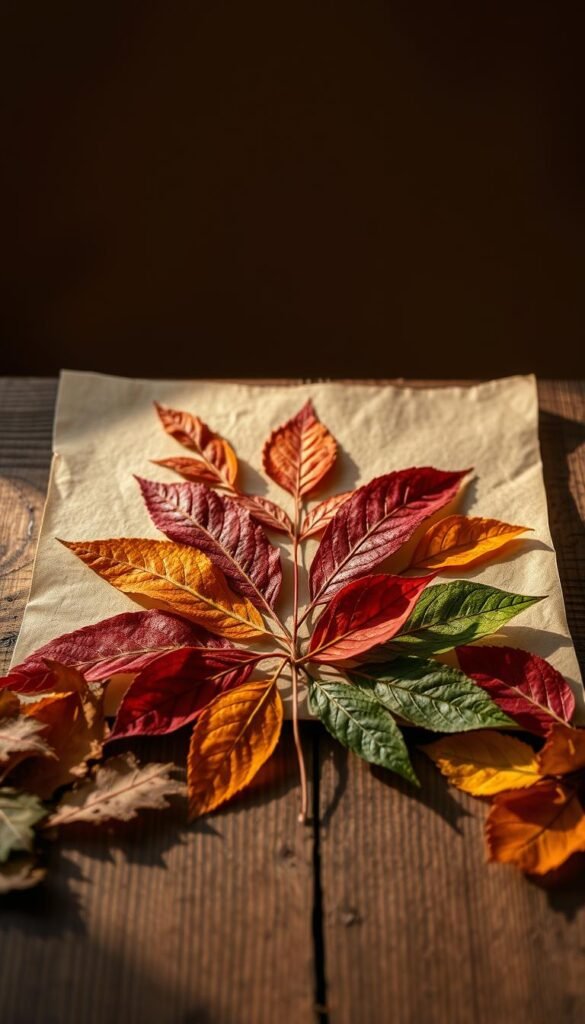
Transforming Pressed Leaves into Art
Flattening foliage between heavy books remains the classic method, though specialized presses yield faster results. A tip: place delicate finds between parchment paper to prevent sticking. While vibrant reds may deepen during drying, this creates rich burgundy tones perfect for dramatic landscapes in shadow boxes.
Kids enjoy making “stained glass” hangings by laminating pressed finds between wax paper. These suncatchers showcase intricate vein patterns when backlit. For lasting displays, try mod podge on canvas—layered designs become permanent seasonal decorations.
Mixing Natural Elements with Paper Crafts
Combine pressed pieces with construction paper for dynamic collages. Children can arrange oak shapes into animal silhouettes or create leafy alphabet letters. One parent shared: “My son invented ‘leaf math’ by sorting specimens into multiplication arrays!”
| Pressing Method | Time Required | Color Retention |
|---|---|---|
| Book Press | 7-10 days | Good (except reds) |
| Flower Press | 3-5 days | Excellent |
| Microwave | 2 minutes | Fair |
Experiment with torn paper backgrounds to make foliage pop. Tissue paper layers under maple cutouts create glowing sunset effects. These mixed-media techniques help young artists develop composition skills while celebrating nature’s diversity.
Autumn Leaves Craft: Tips and Tricks for Successful Projects
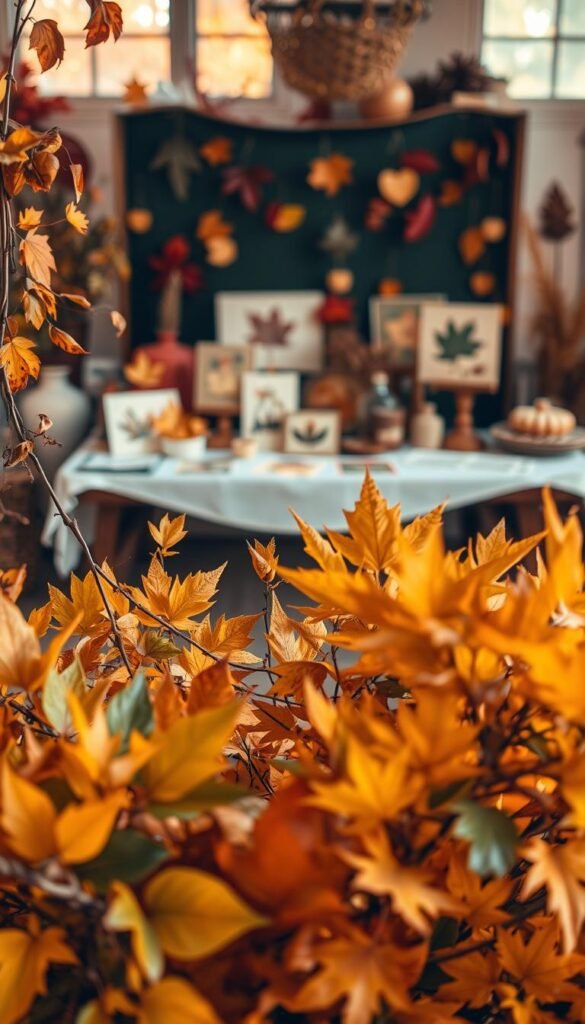
Nature’s colorful canvas offers more than beauty—it invites hands-on learning through seasonal projects. With simple strategies, families can turn fleeting finds into polished creations that last beyond the frost.
Choosing the Perfect Leaves
Bright specimens plucked straight from trees work best. Look for flexible textures and unbroken edges. Vibrant colors like crimson or tangerine hold their hue better than faded ones. A parent shared: “We hunt for ‘leaf superheroes’—specimens strong enough to survive glue and scissors!”
Essential Craft Supplies and Techniques
Tacky glue outperforms school adhesives for bonding natural materials. Pair it with heavyweight paper to prevent curling. Lightly misting finds with preservative spray keeps them flexible for intricate designs.
| Leaf Type | Best For | Preparation Tip |
|---|---|---|
| Maple | Backgrounds | Wipe with dry cloth |
| Oak | Masks | Press flat for 2 days |
| Fern | Pressing | Store between tissues |
Teach kids to sort their haul by size first. Damaged pieces can become confetti or animal textures. Always work on wax paper—sticky messes peel right off!
Inspiring Listicle of Unique Craft Activities
Nature’s treasures become magical when paired with creative vision. These hands-on activities blend outdoor discoveries with artistic expression, perfect for sparking weekend fun.
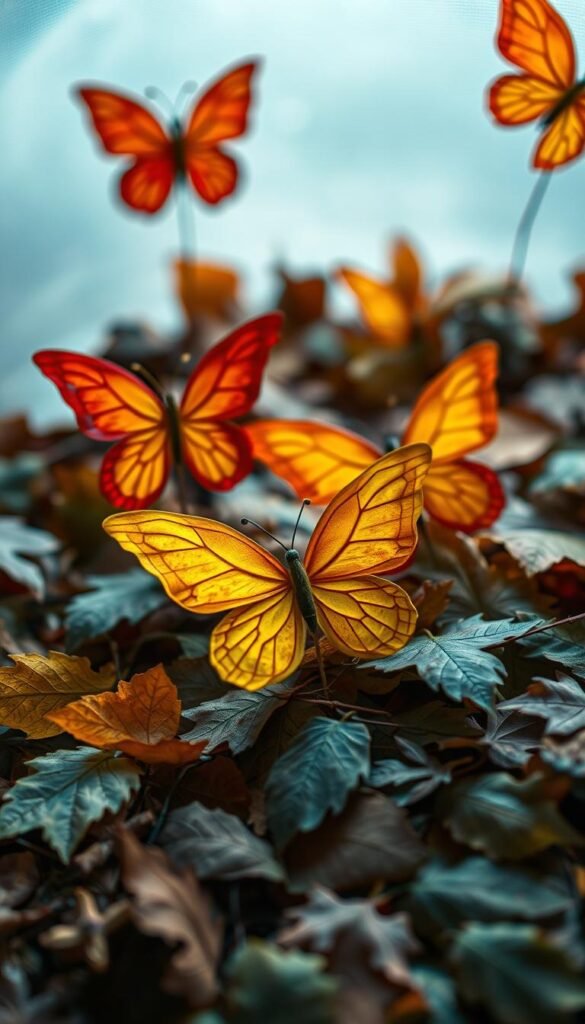
Leaf Butterflies and Dragonflies Creations
Transform twigs and colorful foliage into fluttering friends. Kids love matching wing shapes—maple leaves make dramatic monarchs, while narrow birch specimens become delicate dragonflies. Use berry stems for antennae and acorn caps for eyes. “We turned our finds into a mobile that dances in the breeze,” shares one parent.
Paper Dolls and Lanterns from Leaves
Cut simple figures from cardstock, then design outfits using vibrant specimens. Masking tape holds tulip-poplar “skirts” and sassafras “hats” securely. For lanterns, wrap pressed finds around cheese boxes lined with baking paper. Add LED lights to cast leafy shadows on walls.
| Project | Materials | Skill Focus |
|---|---|---|
| Butterflies | Leaves, twigs, glue | Symmetry |
| Dolls | Paper, tape, flowers | Pattern mixing |
| Lanterns | Boxes, lights, specimens | Light design |
These projects teach spatial thinking as kids arrange 3D elements. Temporary materials encourage photographing finished pieces—a great way to document nature’s changing palette.
Fun Paper Craft Projects with Autumn Leaves
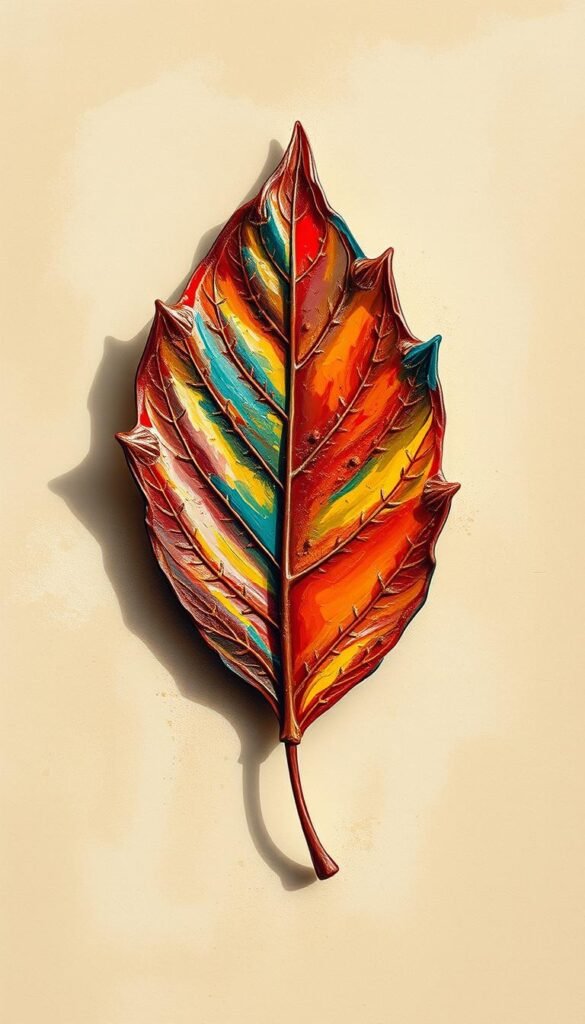
Seasonal colors meet science in this hands-on painting method that captivates young artists. The magic happens when waxy oil pastels repel watery paints, revealing bold patterns on paper.
Using Oil Pastels and Watercolors
Start by tracing leaf shapes with light-colored oil sticks. Kids gasp as paints slide off their drawings, creating crisp borders. One parent reports: “My child called it ‘rainbow science’ when her yellow outlines stayed bright under blue washes!”
This technique turns simple materials into dynamic art. Warm-toned watercolors make autumn hues pop against white backgrounds. Let darker shades bleed outside lines for fiery sunset effects.
The process teaches core concepts without lectures. Children discover why oil and water don’t mix while blending crimson and gold washes. Mistakes become opportunities—a smudge becomes a woodland creature hiding in foliage.
Try these tips for best results:
- Use heavyweight paper to prevent curling
- Layer pastels lightly to avoid clogging details
- Experiment with metallic paints for shimmering accents
Finished pieces work as greeting cards or framed displays. Families love how this fun activity combines nature walks with creative expression, making lasting memories of the season’s beauty.
Blending Traditional Techniques with Modern Crafting
Historical methods meet contemporary creativity through simple yet meaningful projects. The timeless practice of preserving nature’s artwork bridges generations, offering both nostalgia and fresh discoveries.
Old-Fashioned Leaf Pressing Methods
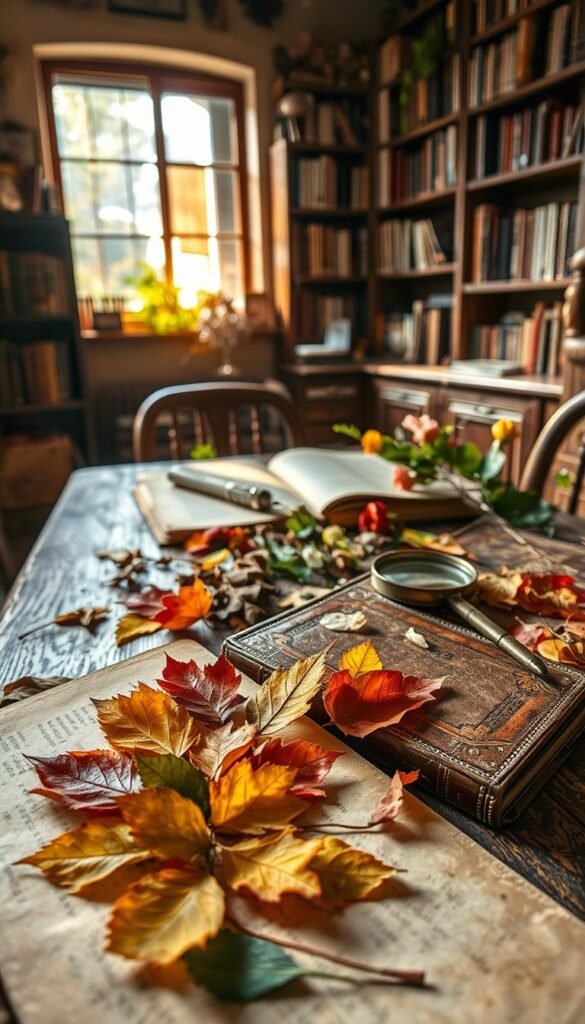
Heavy books remain the most accessible tool for flattening foliage. Place specimens between parchment-lined pages, then stack weights like encyclopedias or bricks on top. This method works beautifully for sturdy finds from oak or magnolia trees.
While waiting days for results might test young patience, the delay becomes part of the magic. One parent shared: “My kids check their ‘leaf library’ every morning like it’s Advent calendar!” The process teaches that good things come to those who wait—especially when maple reds deepen into rich burgundy hues.
Compare this approach with modern flower presses. Though specialized tools speed drying time, book pressing requires no special equipment. Families can start immediately using items already at home. This low-cost way makes nature preservation accessible to everyone.
Through this ritual, children connect with past generations who preserved botanical treasures. They learn why some colors fade while others intensify—a hands-on lesson in plant chemistry. Best of all, the finished pieces become story starters about the day they were collected.
Innovative Scratch Art and Watercolor-Resist Projects
Unleash hidden colors beneath a dark canvas with scratch art techniques that turn simple finds into stunning masterpieces. This method combines the thrill of discovery with hands-on art creation, perfect for curious young minds.
Step-by-Step Scratch Art with Leaves
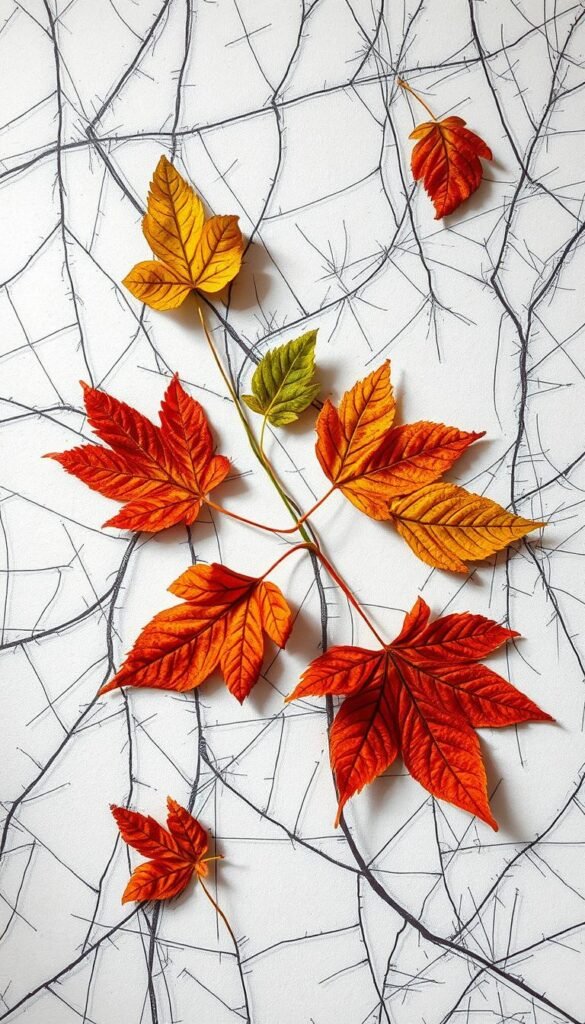
Start by pressing specimens between books for crisp templates. Cover white cardstock with rainbow oil pastels—kids love swirling bold shades. Paint over with black acrylic and let dry completely.
Place pressed shapes on the dried surface. Use toothpicks to trace outlines, revealing bursts of color underneath. “It’s like magic—every scratch shows a surprise!” shares one enthusiastic participant.
Enhancing Outlines with Watercolor Effects
Add depth by brushing diluted paints around scratched edges. The watercolor resists oil pastels, creating glowing halos around each design. Try sunset oranges fading into twilight purples for dramatic contrast.
This painting technique teaches color theory through play. Children learn how layers interact while producing frame-worthy projects. For best results:
- Use stiff brushes for precise control
- Blend wet paints quickly for smooth gradients
- Let kids name their creations (“Fire Forest” or “Galaxy Garden”)
The finished pieces make excellent gifts or seasonal decorations. Families appreciate how this activity builds patience and precision while celebrating nature’s fleeting beauty.
Exploring Seasonal Themes and Nature-Inspired Decor
Cultural celebrations and natural beauty collide in these projects that turn simple materials into meaningful decorations. Families discover how global traditions use earthy elements to mark seasonal shifts while creating pieces that spark joy throughout cooler months.
Creating Lanterns and Wreaths
Transform cheese boxes into glowing lanterns using pressed foliage and white baking paper. Kids learn practical skills like measuring paper strips and securing specimens with glue sticks. One parent remarked: “Our lanterns cast leaf-shaped shadows that make our porch feel enchanted!”
| Project | Key Materials | Skill Developed |
|---|---|---|
| Lanterns | Electric tea lights, scissors | Light engineering |
| Wreaths | Cardboard rings, hole punch | Circular design |
For wreaths, let children arrange painted finds on cardboard bases. White acrylic markers add whimsical details like polka dots or star patterns. These creations often become cherished gifts—a way to share nature’s fleeting beauty.
Decorations for St. Martin’s Day and Beyond
November 11th celebrations inspire lantern walks across Europe, blending history with hands-on fun. This tradition teaches kids how communities worldwide honor light during darker days. Families can:
- Discuss how different cultures use natural materials
- Experiment with paper thickness for varied glow effects
- Host a neighborhood lantern parade
These activities build spatial awareness as children design 3D objects. Finished pieces become functional art—lanterns brighten rooms, while wreaths welcome guests with seasonal charm. Through creating, kids grasp how art connects people across time and place.
Engaging Kids with Outdoor Crafting Adventures
Exploring local trails becomes an art supply hunt when families embrace seasonal treasures. Neighborhood paths and parks burst with free materials perfect for creative projects. Kids delight in scouting for maple keys, vibrant berries, and twigs that transform into craft masterpieces.
Finding Natural Materials on a Nature Walk
Young explorers often return with armfuls of sticks when asked for one—a joyful reminder of their enthusiasm. This energy turns ordinary walks into discovery missions where every acorn cap holds potential. Parents can channel this excitement by creating supply lists that guide searches without limiting creativity.
Teaching children to gather responsibly strengthens their connection to nature. Discussing why we leave some items ensures habitats thrive for wildlife and future visitors. These outings become stealth science lessons as kids compare bark textures or identify tree types.
Fall outings offer fresh air and bonding time while collecting materials. The thrill of spotting a crimson leaf or fuzzy seedpod stays with children long after projects end. These moments turn simple walks into cherished memories that blend learning with laughter.