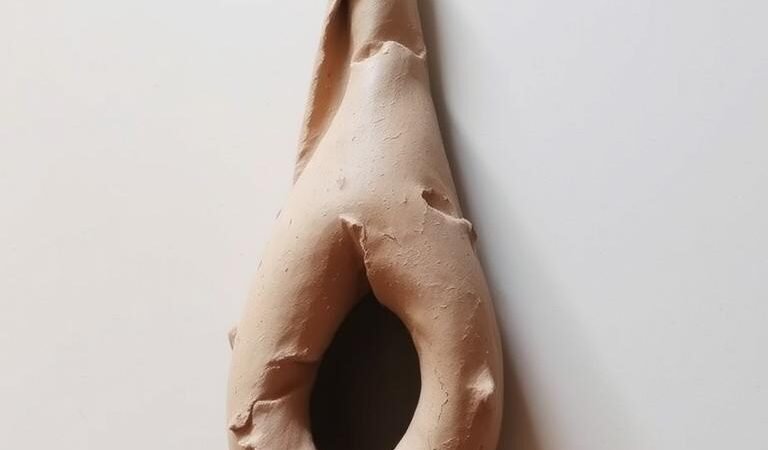
Creating beautiful and personalized wall art has never been easier, thanks to the versatility of air dry clay. This affordable medium has become increasingly popular in modern interior design, offering a perfect balance between minimalist aesthetics and handcrafted charm. Whether you’re a complete beginner or an experienced artist, DIY clay wall hangings are accessible to crafters of all skill levels.
With 14 different design ideas, ranging from minimalist geometric shapes to nature-inspired pieces, you’ll find the perfect inspiration to match your home’s style. Creating your own wall decor not only adds a personal touch but also saves money compared to store-bought alternatives.
Key Takeaways
- Discover 14 unique DIY air dry clay wall hanging ideas for home decor.
- Learn basic techniques and finishing touches for successful clay wall art projects.
- Create personalized wall decor that matches your home’s style.
- Explore the versatility of air dry clay for various design themes.
- Save money by making your own wall hangings instead of buying them.
Getting Started with Air Dry Clay Wall Hangings
Air dry clay is an ideal material for making decorative wall hangings without the need for specialized equipment. Its lightweight nature and ease of use make it perfect for DIY wall decor projects.
What Makes Air Dry Clay Perfect for Wall Art
Air dry clay is advantageous for wall art projects due to its ability to hold fine details and textures without requiring kiln firing. This makes it more accessible for home crafters compared to other types of clay.
Essential Materials and Tools You’ll Need
To get started, you’ll need air dry clay from brands like Sculpey, DAS, or Crayola, a rolling pin, cutting tools, texture tools, and work surface protection like wax paper or a silicone mat. Additional tools include a clay rolling pin, cookie cutters or templates, a craft knife, and sandpaper for finishing.
Basic Techniques for Working with Air Dry Clay
Mastering the basics of air dry clay is essential for creating beautiful wall hangings. To achieve professional-looking results, it’s crucial to understand the fundamental techniques involved in working with this versatile material.
Conditioning and Rolling the Clay
Before rolling out the clay, you need to condition it. Knead the clay in your hands until it becomes soft and pliable. This step is vital as it prevents cracking later on. Use a rolling pin to roll clay out to about 1/4″ thickness, ensuring it’s even throughout.
Cutting and Shaping Techniques
Various cutting methods can be employed, including using cookie cutters or a craft knife. To achieve clean edges, score the clay lightly before cutting. You can create different shapes like circles, crescents, and geometric forms, keeping edges smooth and professional-looking.
Creating Holes for Hanging
To hang your piece, create holes using a straw or skewer. Make sure these holes are at least 1/2 inch from the edges to prevent breaking. It’s essential to create these holes while the clay is still wet to avoid cracking during the drying process.
| Technique | Description | Tips |
|---|---|---|
| Conditioning | Knead clay until soft | Prevents cracking |
| Rolling | Use rolling pin to achieve even thickness | 1/4″ thickness ideal |
| Cutting | Use cookie cutters or craft knife | Score clay for clean edges |
Step-by-Step Guide to Creating Air Dry Clay Wall Hanging
Using air dry clay to create wall hangings is a simple yet effective way to enhance your home’s aesthetic and make a statement with your decor. To achieve a beautiful piece, follow these steps carefully.
Preparing Your Workspace
Begin by preparing a clean, flat surface covered with parchment paper or a silicone mat to prevent the clay from sticking and to protect your table.
Rolling and Cutting the Clay
Condition and roll clay to an even thickness of about 1/4 inch. Work with small portions at a time to maintain control. Use circle cutters to mark shapes, then cut out with an X-acto blade for cleaner edges.
Adding Texture and Details
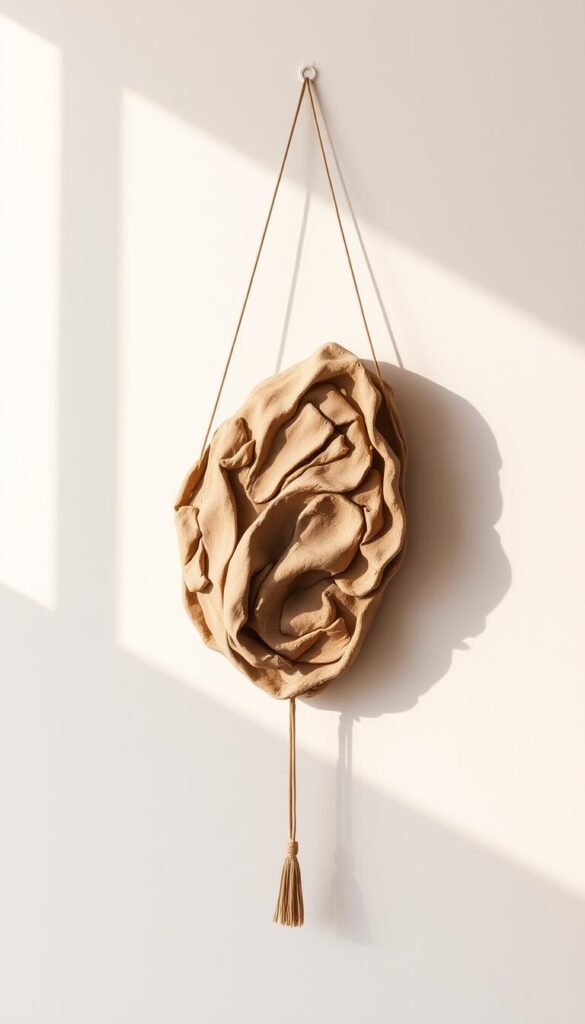
Add texture and details using household items like lace, leaves, or textured rolling pins to create impressions. You can also add sculptural elements for dimension.
Drying Process
Allow the clay pieces to dry at room temperature, away from direct heat. Drying time can range from 24 to 72 hours, depending on thickness. Flip pieces occasionally to prevent warping.
Finishing Touches
Once dry, sand rough edges and apply paint or sealants as desired. Assemble multiple pieces into a cohesive wall hanging design, creating a unique clay wall art piece.
Minimalist Clay Wall Hanging Ideas
Minimalist designs have become increasingly popular in home decor, and air dry clay wall hangings are a perfect way to incorporate this style into your space. These designs focus on simplicity, clean lines, and minimal ornamentation, creating a calm and serene atmosphere.
Geometric Shapes Wall Art
Create a stunning geometric shapes wall art using air dry clay. Use simple shapes like triangles, hexagons, and rectangles to form modern patterns. This design is perfect for those who appreciate minimalist wall art with a touch of sophistication.
Moon Phase Wall Hanging
To make a moon phase wall hanging, cut out various moon shapes from air dry clay, such as crescent, half, and full circles. Arrange these shapes in sequence to represent the different lunar phases, creating a beautiful and meaningful wall hanging.
Simple Clay Circles Design
Craft a simple clay circles design by creating varying sizes of perfect circles. Arrange these circles in an aesthetically pleasing pattern, using negative space to enhance the visual impact. This design is ideal for those who appreciate minimalist clay wall art.
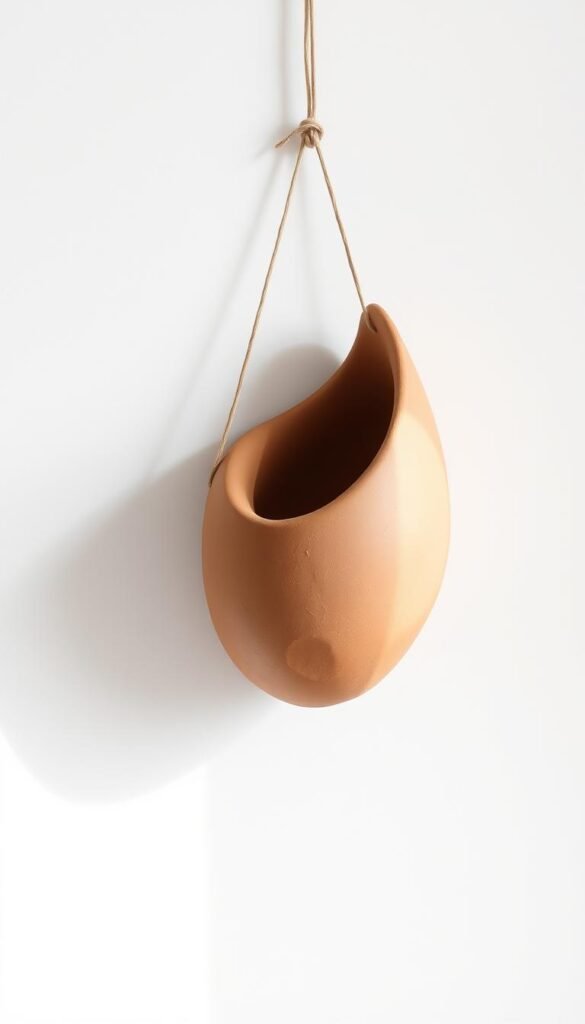
When creating these designs, consider using monochromatic color schemes or subtle earth tones to maintain a minimalist aesthetic. The key to a successful minimalist design is embracing simplicity and restraint, allowing the beauty of the clay and wall art to shine through.
Nature-Inspired Air Dry Clay Wall Decor
Bringing the outdoors in, nature-inspired air dry clay wall decor adds a touch of natural beauty to any room. Air dry clay is a versatile medium that can be molded into various forms inspired by nature.
Botanical Leaf Impressions
Create detailed botanical leaf impressions by pressing real leaves into air dry clay. This technique captures the intricate vein patterns and organic shapes of the leaves. Leaves like maple, oak, and ferns work well for this purpose.
Mountain Range Wall Art
Craft a mountain range wall art piece by cutting silhouettes of mountains at varying heights. Add texture to simulate rocky terrain or snow-capped peaks, giving your piece a realistic touch.
Ocean Wave Designs
Design fluid ocean wave patterns that capture the movement and rhythm of water. Techniques like layering and texturing can represent foam and currents, adding dimension to your wall art.
Nature-inspired designs can be complemented with natural color palettes. For instance, greens and browns suit botanical pieces, while blues and whites are ideal for ocean themes. Earthy tones work well for mountain landscapes.
| Nature Theme | Color Palette |
|---|---|
| Botanical | Greens, Browns |
| Mountain | Earthy Tones |
| Ocean | Blues, Whites |
These nature-inspired pieces bring a sense of the outdoors into your home decor, creating a calming atmosphere. Arrange multiple pieces together to create a cohesive gallery wall that tells a visual story of the natural world.
Textured and Painted Clay Wall Hangings
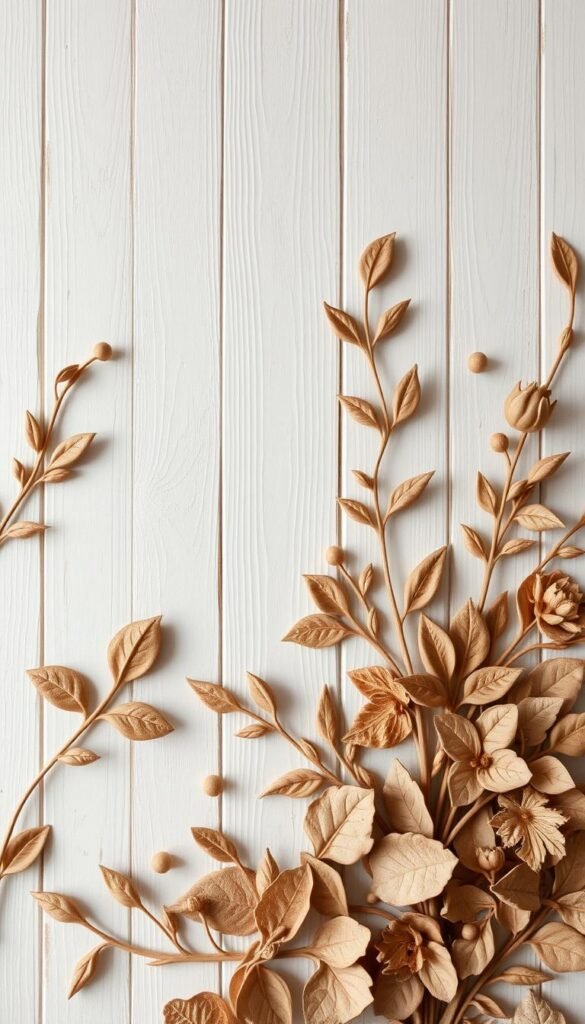
Textured and painted clay wall hangings offer a creative way to personalize your living space. By combining different techniques, you can achieve unique pieces that add character to your home decor.
Marbled Clay Effect
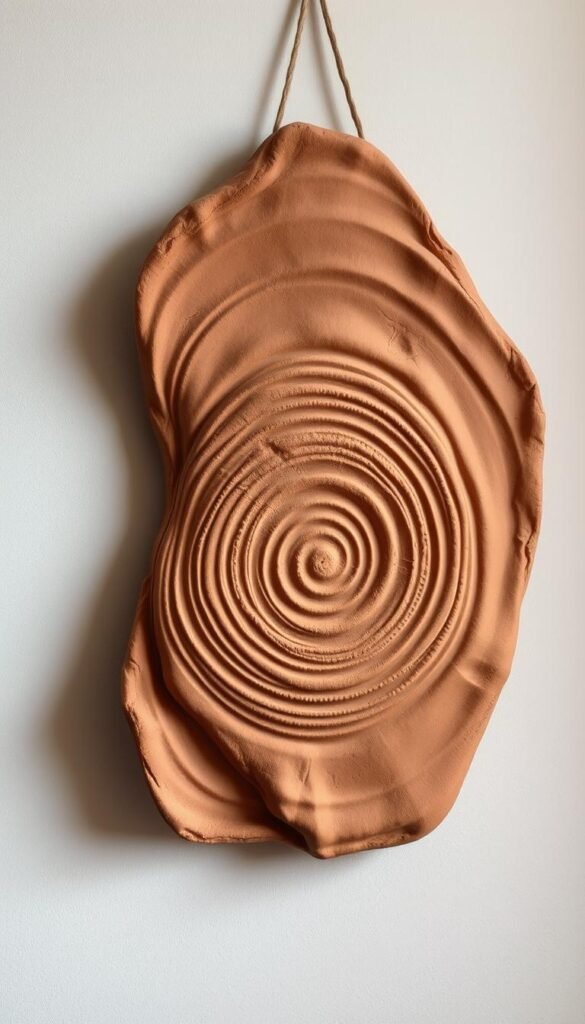
Create a marbled effect by blending multiple colors of clay together without fully mixing them. This technique results in beautiful, swirled patterns that add visual interest to your wall hangings. Experiment with different color combinations to achieve the desired effect.
Terrazzo-Inspired Wall Art
Craft terrazzo-inspired wall art by embedding small, colorful clay pieces into a base clay color. Then, roll and cut the mixture to mimic the popular terrazzo pattern. This technique adds a contemporary touch to your decor.
Gold-Accented Clay Designs
Add a touch of luxury to your clay wall hangings with gold accents. Use gold leaf, metallic paint, or gold mica powder to achieve a sophisticated look. Apply the gold accents carefully to maintain clean lines and prevent smudging, ensuring a beautiful finish at the end of your project.
Creative Assembly and Hanging Techniques
Creative assembly and hanging techniques can elevate your air dry clay wall art from simple to stunning. The way you choose to hang your pieces can add an extra layer of creativity and visual interest.
Macramé and Clay Combinations
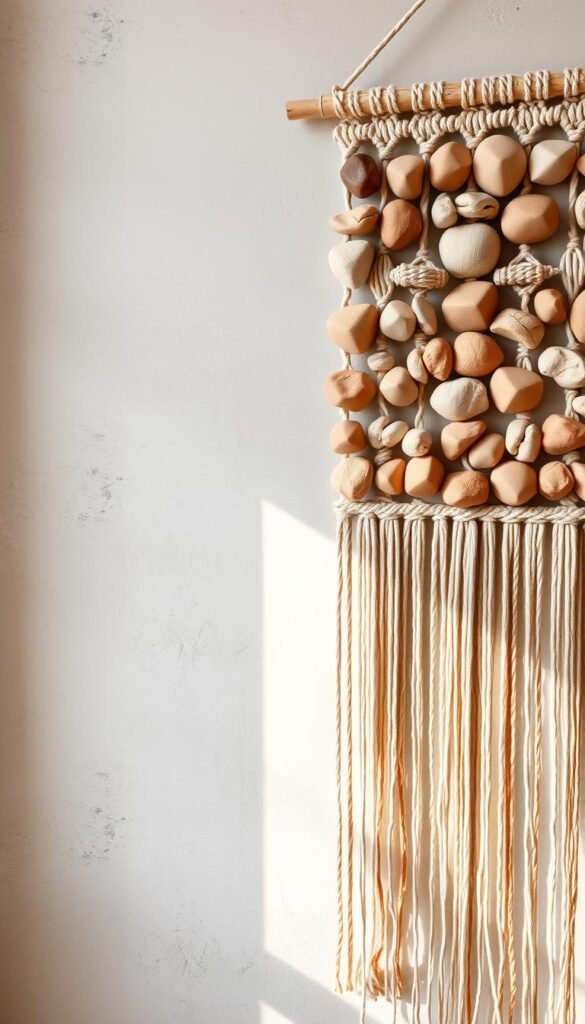
Combining macramé techniques with clay elements can create a unique mixed-media effect. You can incorporate clay beads or pendants into macramé wall hangings, adding texture and interest. Use a simple knot to secure the clay pieces to the macramé cord.
Multi-Tiered Hanging Designs
Creating multi-tiered hanging designs involves suspending clay pieces at different levels, adding dimension and visual appeal. To achieve this, use varying lengths of cord or chain, and secure each piece with a reliable knot. This technique adds depth to your wall art.
Adding Tassels and Beads
Adding decorative elements like tassels and beads to the bottom of your clay wall hangings can enhance their visual appeal. To make a simple tassel, thread a few pieces of cord through the hole, wrap with another piece, and tie a knot at the back. Secure with glue and trim excess cord.
Jute and Cotton Cord Options
When choosing a hanging cord, consider the aesthetic and practical aspects of materials like jute, cotton, leather, or metal chains. Jute and cotton cords offer a natural, earthy look, while metal chains provide a more modern feel. Select a cord that complements your clay wall art.
| Cord Material | Aesthetic | Practicality |
|---|---|---|
| Jute | Earthy, natural | Durable, textured |
| Cotton | Soft, versatile | Easy to knot, soft texture |
| Leather | Modern, sleek | Strong, durable |
| Metal Chain | Contemporary, bold | Sturdy, long-lasting |
Troubleshooting and Tips for Success
To create beautiful air dry clay wall hangings, it’s essential to understand how to prevent common mistakes and address any issues that arise. Working with air dry clay can be a fun and rewarding experience, but it requires attention to detail and some insider knowledge.
Preventing Cracks and Breaks
Preventing cracks and breaks in your air dry clay projects starts with maintaining even thickness and proper conditioning. Make sure to handle your clay gently during the drying process to avoid any accidental breaks.
Fixing Mistakes
If you notice small cracks or rough edges, you can use slip (clay mixed with water) to repair them. Smoothing rough edges with fine-grit sandpaper is also effective. For clay that’s becoming too dry, try rehydrating it with a bit of water.
Best Practices for Drying
To ensure your air dry clay pieces dry properly, keep them in a well-ventilated area away from direct sunlight. Flipping the pieces periodically can help prevent warping. Be patient, as the drying time can vary depending on the thickness of the clay.
| Issue | Solution |
|---|---|
| Cracks and Breaks | Maintain even thickness, handle with care |
| Rough Edges | Use fine-grit sandpaper to smooth edges |
| Drying Issues | Keep in well-ventilated area, flip periodically |
Using a dry paper towel to wipe away clay dust and being mindful of where you place your pieces can also help prevent issues. For added durability, consider sealing your finished pieces with a food-safe sealant.
Conclusion
Air dry clay is a versatile medium for wall decor. Create unique wall hangings with various techniques. Enjoy making handmade decor with a bit of work and share your DIY crafts.